Bridging Digital Game Platforms with Resort Dining and Live Show Promotions
Xander Meier · Jul 7, 2026
Bridging Digital Game Platforms with Resort Dining and Live Show Promotions
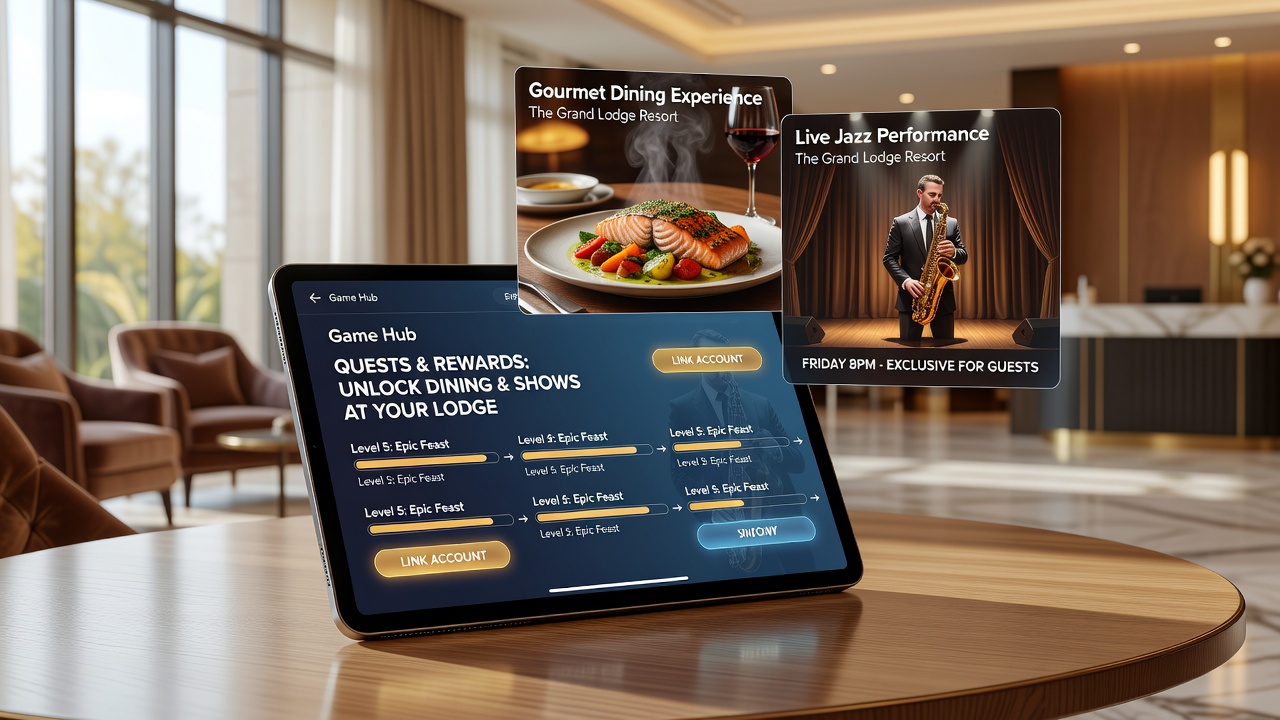
Online gaming systems now route players directly into reservation portals for restaurants and ticket systems for live events at hotels and resorts, creating seamless pathways from virtual play to physical stays. Developers integrate these features through APIs that pull real-time availability from property management software, allowing users to convert game credits or loyalty points into dining vouchers or show access without leaving the app environment.
Mechanics of Interface Integration
Platforms display pop-up prompts after completing game rounds or reaching milestones, presenting curated options for meals at on-site venues or seats at evening performances. Data synchronization happens in milliseconds, pulling from centralized databases that track both player activity and hotel inventory. Those who engage with these prompts often complete bookings on the same screen, since the system pre-fills guest details from the gaming profile.
July 2026 saw multiple properties expand these connections, with several major chains reporting higher uptake during summer travel peaks. Systems track redemption rates automatically, feeding analytics back to operators who adjust promotion timing based on peak dining hours or show schedules.
Regional Implementation Patterns
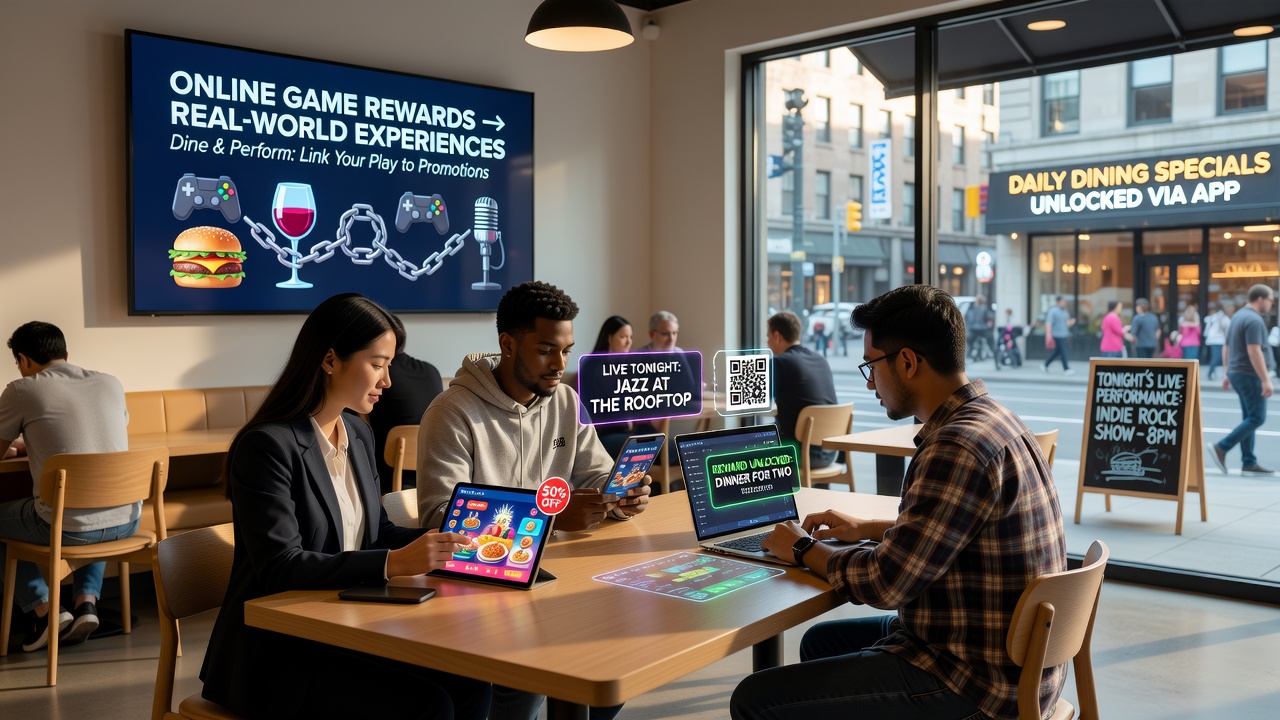
Properties in North America and parts of Asia have adopted similar frameworks, though the specific pairings differ by location. In one documented rollout, a Midwest resort chain linked slot progressions to tasting menus at its signature steakhouse, while another site routed completion bonuses toward cabaret ticket bundles. Observers note that these pairings tend to cluster around seasonal events, such as holiday performances or limited-time chef collaborations.
Research from industry reports indicates that conversion rates climb when promotions appear immediately after a winning sequence rather than during loading screens. The same studies highlight that users who receive personalized suggestions based on past stays show stronger follow-through compared with generic offers.
Data and Measurement Approaches
Operators measure success through a combination of booking completion percentages, average spend per redeemed guest, and repeat visit frequency. According to figures released by the American Gaming Association, integrated reward pathways contributed to measurable lifts in ancillary revenue at participating properties during the first half of 2026. Separate analysis from Canadian regulatory filings shows parallel trends at select Ontario facilities where digital interfaces feed into on-property dining and theater programs.
Systems log every click and redemption, creating datasets that reveal which game types correlate most strongly with dining uptake versus performance attendance. Operators then refine the offers, swapping out underperforming menu items or adjusting showtime slots based on those patterns.
Technical Infrastructure Requirements
Secure token exchange protocols protect player information while allowing the gaming interface to communicate with external booking engines. Hotels maintain separate but linked databases so that room availability, table reservations, and seat maps update without exposing full customer records. Regular audits verify compliance with data protection standards across jurisdictions.
Developers test these connections through staged rollouts, starting with a single property before expanding to sister locations. The process includes stress checks during high-traffic periods, such as weekend evenings when both gaming volume and dining demand peak simultaneously.
Examples from Multiple Properties
Take one chain operating across several states that embedded dining redemptions inside its mobile slot game, letting players trade accumulated points for brunch reservations at the hotel's waterfront restaurant. Another site routed virtual tournament wins toward priority seating at its rooftop lounge performances, with the interface displaying available dates in calendar format right after the final round.
These cases demonstrate consistent architecture: the game layer handles engagement mechanics while the hospitality layer manages fulfillment. Staff at front desks and host stands receive real-time notifications when a digital redemption occurs, allowing them to prepare personalized service touches such as preferred table assignments or pre-show beverage credits.
Conclusion
The connection between online game interfaces and real-world promotions continues to evolve through incremental updates to both software and operational procedures. Properties that maintain accurate inventory feeds and responsive customer service channels see sustained activity across both gaming and hospitality segments. As more systems adopt standardized APIs, the pathways from virtual sessions to dining tables and performance venues are likely to become even more direct.