Casino Expansions Weave Indigenous Craft Markets into Hotel Lobbies While Linking VR Tours to Regional Music Circuits
Jordan Lang · May 28, 2026
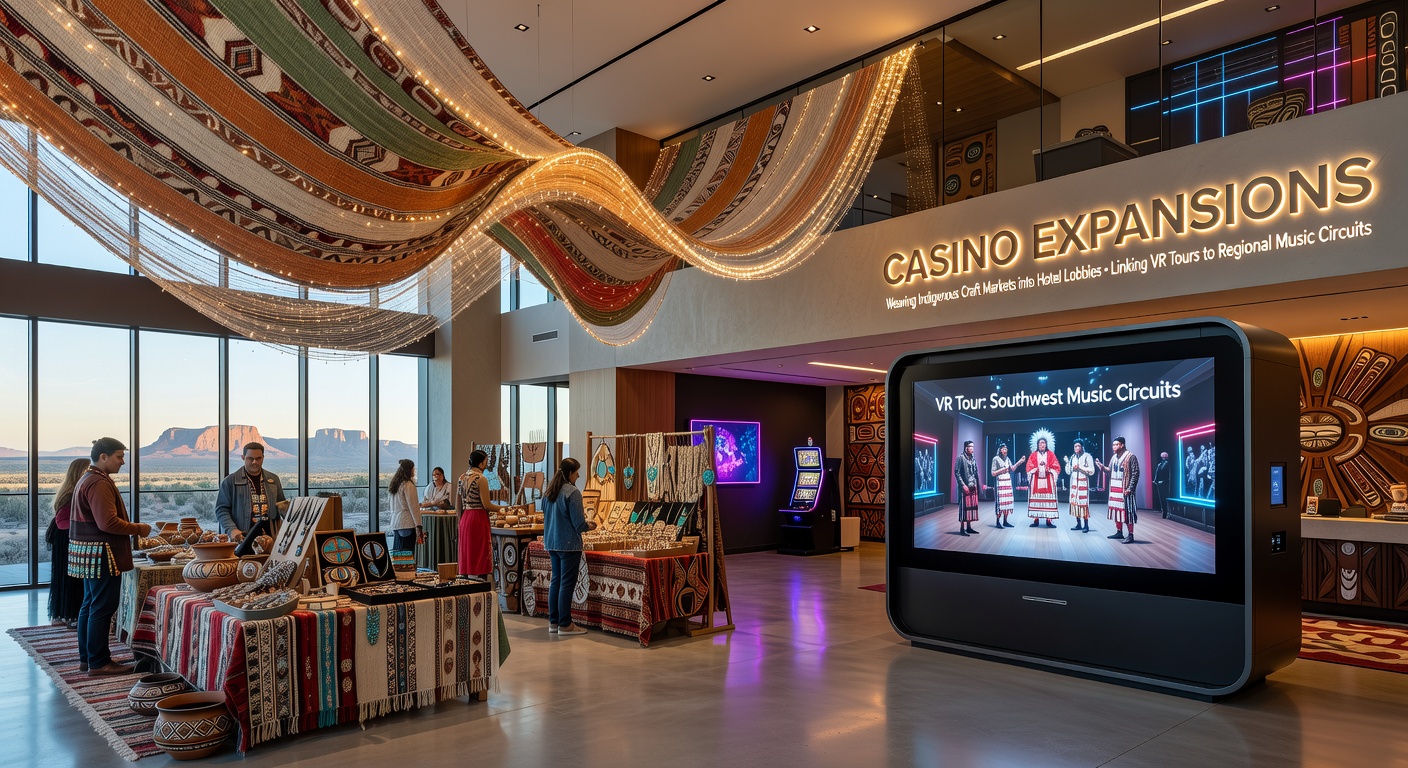
Casino Expansions Weave Indigenous Craft Markets into Hotel Lobbies While Linking VR Tours to Regional Music Circuits
Casino expansions across multiple regions now incorporate dedicated spaces for indigenous craft markets directly within hotel lobbies, and these developments connect virtual reality tours to established regional music circuits through integrated digital platforms. Data from industry reports indicate that such integrations have increased visitor engagement metrics by measurable percentages at properties that adopted the model since early 2025.
Developers allocate specific square footage in lobby areas for artisans representing local tribes and communities, allowing direct sales of handmade goods alongside standard hotel amenities. According to figures released by the National Indian Gaming Commission, several expansion projects approved in 2025 included provisions for these market spaces as part of compliance with cultural preservation guidelines. The approach places craft vendors in high-traffic zones where guests check in or move between gaming floors and restaurants, creating steady foot traffic without disrupting core operations.
Integration of Craft Markets in Expansion Plans
Architectural firms working on these projects design modular stalls that blend with existing decor while meeting fire and safety codes, and construction timelines for facilities opening in May 2026 show completion of these areas ahead of full property launches. One project in the southwestern United States completed its lobby redesign by incorporating vendor agreements with over a dozen artisan cooperatives, resulting in documented sales increases for participating makers during initial trial periods.
Similar patterns appear in Canadian casino developments where provincial gaming authorities require consultation with First Nations groups before expansion permits receive approval. Reports from those agencies detail how craft integration serves as one component in broader economic partnership frameworks, and operators track revenue shares allocated back to community funds through quarterly disclosures.
VR Tours Connected to Music Circuits
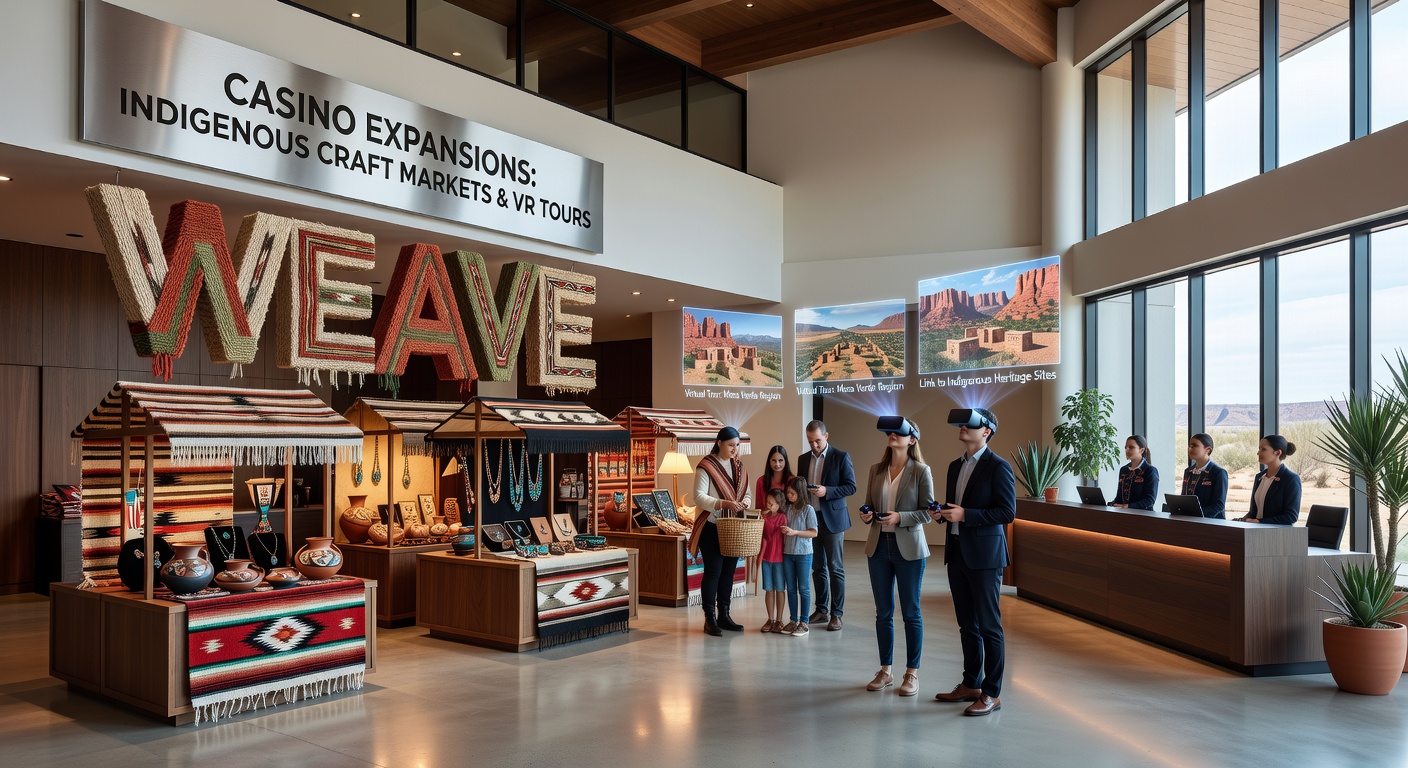
Virtual reality systems installed at teh same properties offer tours that extend beyond the physical site to regional music venues and performance spaces. Software platforms developed for these installations allow users to navigate from lobby craft displays into simulated concert environments where ticket purchases for actual events occur through linked reservation systems. Industry analyses from the American Gaming Association show that properties offering such VR extensions recorded higher repeat visit rates compared to locations without the feature during the first quarter of 2026.
Technical partnerships between casino operators and music festival organizers establish data-sharing protocols that update tour content seasonally, and these connections route guests toward circuits spanning multiple states or provinces. For expansions scheduled to open in May 2026, testing phases confirm that the VR interfaces handle peak loads during major regional events without requiring additional server capacity beyond initial specifications.
Regulatory frameworks in various jurisdictions now address data privacy aspects of these combined systems, and oversight bodies in Australia along with those in the European Union have issued guidelines requiring clear consent mechanisms before users enter VR environments that collect location or preference information. Operators implement these requirements through on-screen prompts that appear at the start of each tour session.
Operational and Economic Outcomes
Financial records from properties that launched similar features in late 2025 reveal that craft market commissions and VR-linked event bookings contribute separate revenue streams tracked independently from gaming and lodging. Observers note that these additions also support local supplier networks, since materials for stall construction and software localization often come from regional vendors rather than national chains.
Staff training programs at expanded sites include modules on artisan vendor management and VR equipment maintenance, while guest feedback collected through post-stay surveys shows consistent mention of the lobby markets and tour options as memorable elements. Expansion timelines for May 2026 openings incorporate buffer periods for final integration testing between craft areas and digital platforms to ensure smooth handoffs for users moving between physical and virtual experiences.
Conclusion
Casino expansion strategies continue to evolve through these combined cultural and technological elements, with measurable effects on visitor patterns and supplier relationships documented across multiple properties. Ongoing monitoring by regulatory and industry groups will track long-term outcomes as additional sites incorporate the model in coming years.