Casino Resorts Blending Local Heritage With Cutting-Edge Tech Displays for Immersive Guest Journeys
Blake Hartmann · May 21, 2026
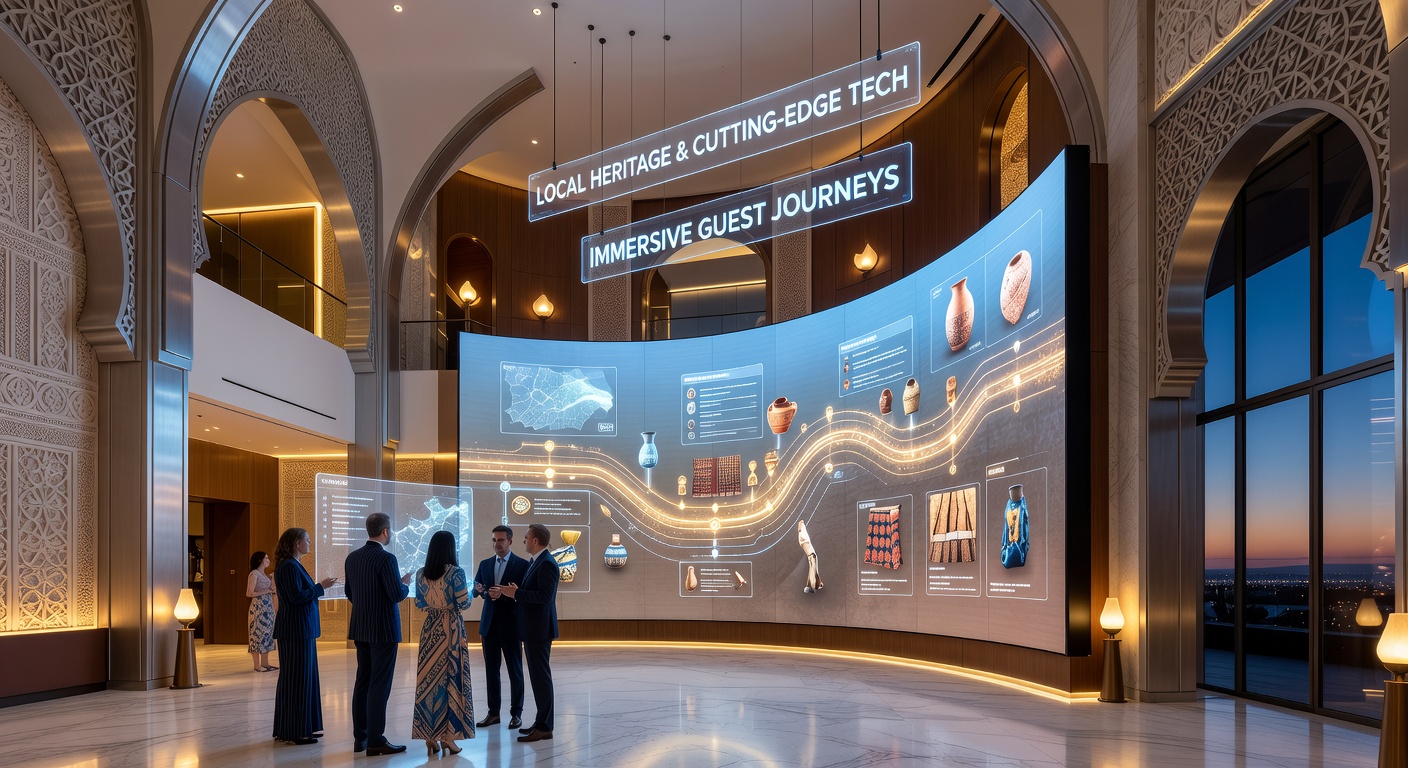
Casino Resorts Blending Local Heritage With Cutting-Edge Tech Displays for Immersive Guest Journeys
Resorts across multiple continents now combine regional traditions with advanced projection systems, augmented reality overlays, and sensor-driven installations that create layered guest experiences, and observers note this trend accelerated through early 2026 as operators responded to data showing longer average stays when cultural elements receive technological enhancement. Properties draw from indigenous motifs, colonial histories, and regional craftsmanship while deploying high-resolution LED walls, holographic stages, and mobile applications that trigger location-specific narratives, and research from hospitality analytics firms indicates these integrations lift repeat visitation rates by measurable margins in competitive markets.
Regional Heritage Anchors the Digital Layer
Design teams begin each project by cataloging authentic local elements such as tribal patterns, architectural details, and oral histories before mapping them onto technical frameworks that preserve accuracy while adding interactivity, and this sequence prevents superficial applications that might otherwise dilute cultural meaning. In North American tribal gaming destinations, for example, LED corridors replay animated versions of ancestral stories collected through community consultation, and motion sensors activate additional layers only when guests pause, creating a paced journey rather than constant stimulation. Similar methods appear in Asian integrated resorts where temple motifs receive dynamic lighting sequences tied to seasonal festivals, and figures released by regional tourism boards confirm these displays correlate with extended dwell times in non-gaming zones.
Technology Choices That Respect Context
Engineers select projection mapping, micro-LED surfaces, and AI-guided audio tours because these tools allow precise calibration to existing architecture without permanent alterations, and industry reports highlight their lower energy draw compared with earlier large-scale video walls. Guests receive wristbands or download companion apps that sync with on-site beacons, unlocking personalized routes through heritage zones that adapt based on time of day or group size, and data collected from these systems helps operators refine content without altering core cultural references. What's interesting is how properties in the southwestern United States have paired desert rock formations with subtle ground-projection effects that simulate shifting sand patterns, while properties in coastal Australia use wave-sound triggers alongside Aboriginal dot-art animations projected onto lobby ceilings.
Case Examples From Distinct Markets
One property in the southwestern United States opened an expanded cultural wing in May 2026 featuring interactive panels where visitors trace family migration stories through touch-sensitive surfaces that illuminate corresponding regions on a three-dimensional map, and attendance records show steady afternoon crowds drawn by the combination of quiet reflection spaces and responsive visuals. Another development in Southeast Asia integrated centuries-old textile designs into floor-to-ceiling digital tapestries that shift patterns according to live weather feeds from nearby villages, and partnership announcements with local artisan cooperatives confirm ongoing content updates sourced directly from those communities. Observers point to these projects as evidence that technology functions best when it amplifies rather than replaces physical artifacts, and visitor surveys conducted by independent research groups reveal higher satisfaction scores when guests report feeling connected to place rather than simply entertained.
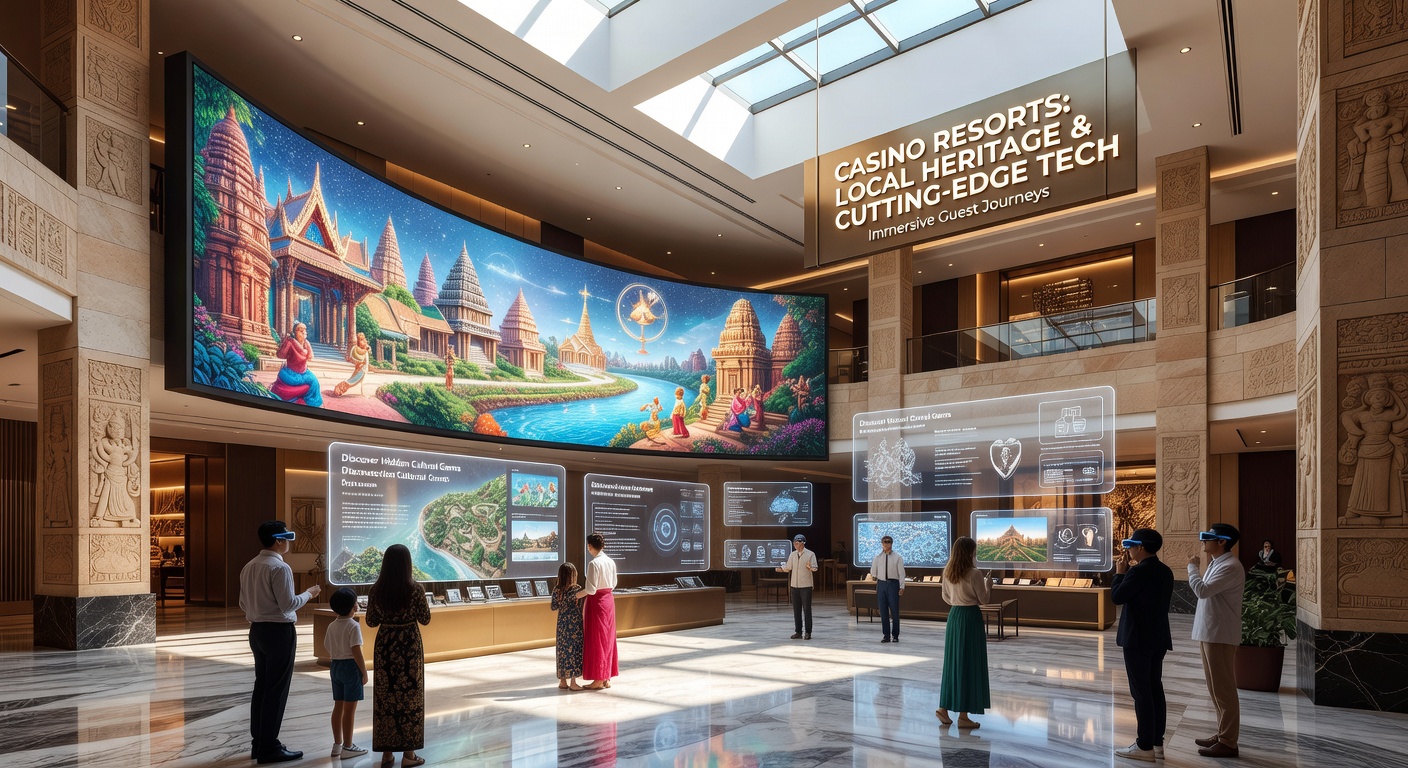
European operators have adopted comparable strategies by embedding historical guild symbols into responsive bar surfaces that reveal craft techniques when approached, and these installations often link to nearby museum collections through QR pathways that extend the experience beyond the resort footprint. Australian venues meanwhile incorporate Dreamtime narratives into night-sky ceiling projections calibrated to actual stellar positions, allowing guests to follow seasonal star paths while seated at gaming areas, and regulatory filings indicate such features required separate cultural review boards before installation.
Operational and Guest Journey Impacts
Staff training programs now include modules on cultural accuracy alongside technical troubleshooting, ensuring team members can answer questions about both the heritage sources and the display mechanics, and this dual knowledge base supports smoother guest interactions during peak hours. Revenue reports from properties that completed upgrades by late 2025 show non-gaming spend rising in heritage zones, and analysts attribute the shift to longer lingering times encouraged by the layered storytelling format. Mobile app analytics further demonstrate that guests who complete at least one full heritage route tend to explore additional resort amenities, creating a natural pathway from cultural engagement to dining and entertainment offerings.
Looking Ahead Through Mid-2026
Upcoming installations scheduled for summer 2026 will incorporate real-time translation layers that render oral histories in multiple languages while maintaining original vocal inflections, and early test groups have responded positively to the added accessibility. Partnerships between resorts and university digital heritage labs continue to supply fresh content, and these collaborations typically involve student researchers who document living traditions before converting them into interactive modules. The approach keeps displays current without requiring constant hardware replacement, and sustainability metrics published by several operators confirm reduced material waste compared with earlier renovation cycles that relied on physical set pieces.
Conclusion
Properties that align local heritage with cutting-edge displays continue to refine their methods through ongoing community input and performance data, and the pattern suggests these blended environments will expand as more markets seek differentiation through authentic yet technologically enhanced guest journeys. The combination supports both cultural preservation goals and operational objectives without forcing trade-offs between the two priorities.