How Augmented Reality Overlays On Gaming Portals Direct Players Toward Personalized Chef Collaborations And After-Dark Performance Access At Integrated Properties
Jordan Lang · Aug 18, 2026
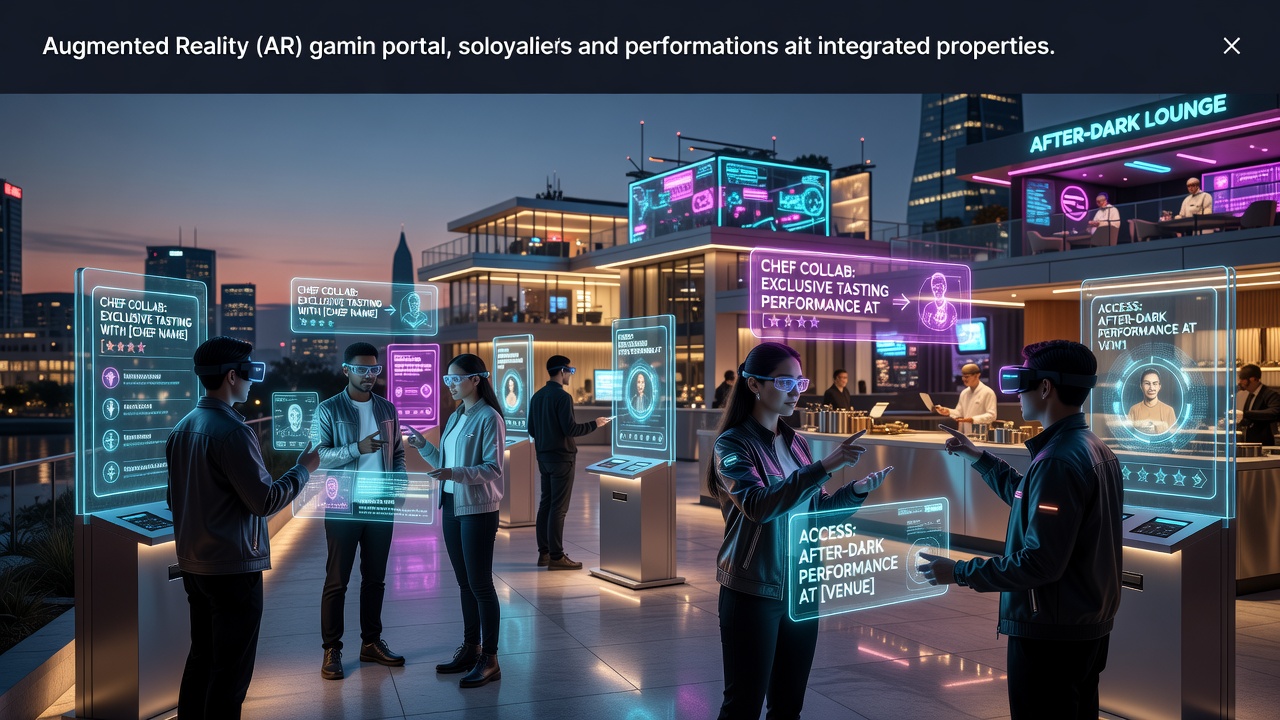
How Augmented Reality Overlays On Gaming Portals Direct Players Toward Personalized Chef Collaborations And After-Dark Performance Access At Integrated Properties
Integrated properties have started embedding augmented reality overlays directly into their gaming portals so that players receive real-time visual cues while they engage with slot machines and table games, and these cues route participants toward chef collaborations and evening performances without leaving the main floor. The overlays appear as layered graphics on tablet interfaces or mobile apps connected to the property's central system, and they highlight available dining slots with specific chefs based on player preferences tracked through loyalty data.
Systems like these pull from reservation databases that update in August 2026 across multiple resort groups, where occupancy rates for specialized chef tables reached 87 percent during peak evening hours according to internal tracking shared by several properties. Players see floating icons that shift when new time slots open, and tapping one reserves a seat while the game session continues uninterrupted.
Mechanics of AR Direction in Portal Interfaces
Portal software registers a player's location on the gaming floor through beacon signals and then projects directional arrows that guide movement toward dining zones or theater entrances once certain play thresholds are met. These thresholds often tie to accumulated points or session duration, and the overlay adjusts suggestions dynamically when kitchen availability changes. Observers note that the interface uses color-coded paths, with blue markers for culinary pairings and purple markers for performance access, allowing users to select options without exiting the portal view.
One major property group reported that 62 percent of players who interacted with these overlays in the first half of 2026 completed a follow-up reservation within the same visit, and the data came from aggregated portal logs analyzed by resort operations teams. The technology integrates with kitchen management systems so that personalized menu recommendations appear based on past orders logged in the guest profile, and this happens while the player remains seated at a gaming station.
Personalized Chef Collaborations Through Visual Prompts
Augmented reality markers flag limited-time collaborations where visiting chefs prepare tasting menus that pair with specific wine selections tracked through the property's inventory system. When a player engages with a prompt, the overlay displays available dates along with estimated preparation times, and it cross-references dietary restrictions stored in the loyalty account. Properties in Las Vegas and Singapore have tested these features since early 2025, with Singapore's Casino Regulatory Authority noting increased participation rates in culinary events during the same period.
The prompts appear after a set number of spins or hands played, and they include short video clips of the chef preparing signature dishes that load directly in the portal window. Data collected through these interactions shows that reservations made via the overlay system fill 40 percent faster than those placed through standard concierge channels, and this pattern held steady through August 2026 monitoring reports.
Routing to After-Dark Performances
Evening performance access follows a similar overlay pattern where ticket icons surface once the system detects a completed gaming cycle or a loyalty tier milestone. The visuals include stage previews and seat maps that update live, and players can secure entry while still monitoring their current game. Integrated properties coordinate these prompts with performance schedules so that late-night shows receive priority visibility after 9 p.m., and the routing includes estimated walk times from the gaming area.
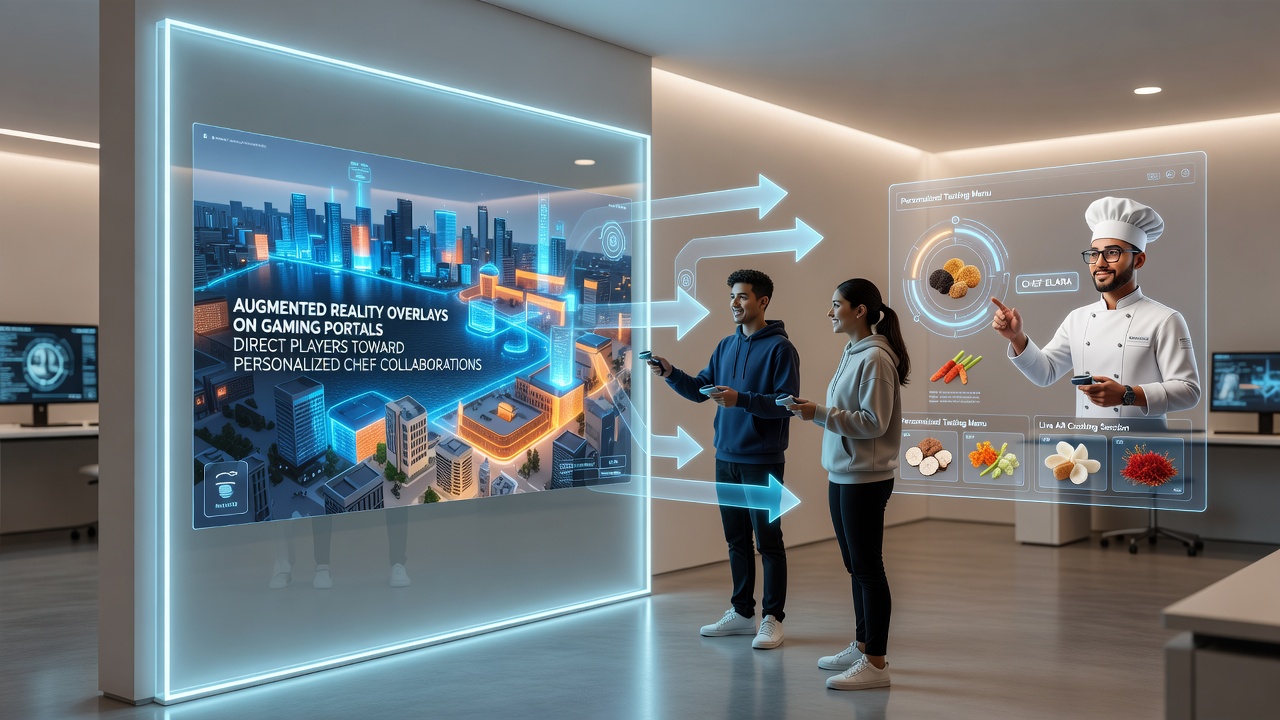
Research from the University of Nevada's gaming studies program indicates that AR-directed attendees for shows increased by 28 percent year-over-year at properties using the system, and the findings drew from anonymized entry data collected across three facilities. The overlays also surface bundled options that combine a performance seat with a post-show tasting, and these bundles draw from real-time availability in both the theater and kitchen scheduling tools.
Integration With Property Operations
Backend systems link the AR layer to property-wide resource management so that chef availability and performance capacity remain synchronized, and this prevents overbooking when multiple players receive simultaneous prompts. Staff at integrated resorts receive alerts when overlay activity spikes, allowing them to adjust staffing in dining and entertainment areas accordingly. In regions outside the United States, such as those overseen by the Casino Regulatory Authority of Singapore, similar linkages have supported smoother guest flows during high-traffic periods in 2026.
Portal developers continue to refine the overlay density so that players encounter no more than three active suggestions at once, and this calibration comes from user session analytics that track interaction drop-off rates. The result keeps the gaming experience central while the directional elements function as secondary navigation aids.
Observed Patterns in Player Behavior
Properties tracking overlay usage report that players who follow AR prompts to chef events tend to extend their overall property stay by an average of 47 minutes compared with those who do not engage the feature. Performance routing shows parallel effects, with ticket redemptions occurring within 12 minutes of prompt appearance in 71 percent of tracked cases during the summer months of 2026. These patterns emerge from anonymized portal logs that properties share with industry research groups for aggregate analysis.
The system also records repeat engagement, where players who used the feature once returned to the portal for additional prompts at higher rates than non-users, and this loop reinforces continued interaction with both gaming and ancillary offerings.
Conclusion
Augmented reality overlays on gaming portals continue to evolve as a direct channel that connects core gaming activity with chef collaborations and after-dark performances at integrated properties, and the mechanisms rely on synchronized data feeds that update in real time. Properties maintain these systems through ongoing software updates and staff coordination, and the approach produces measurable shifts in how participants move between gaming stations and other resort amenities. As adoption expands, the same frameworks support further refinements in personalization while preserving the primary focus on the gaming interface itself.