Linking Mobile Game Interfaces to Resort Booking Systems for Coordinated Access
Blake Hartmann · Sep 14, 2026
Linking Mobile Game Interfaces to Resort Booking Systems for Coordinated Access
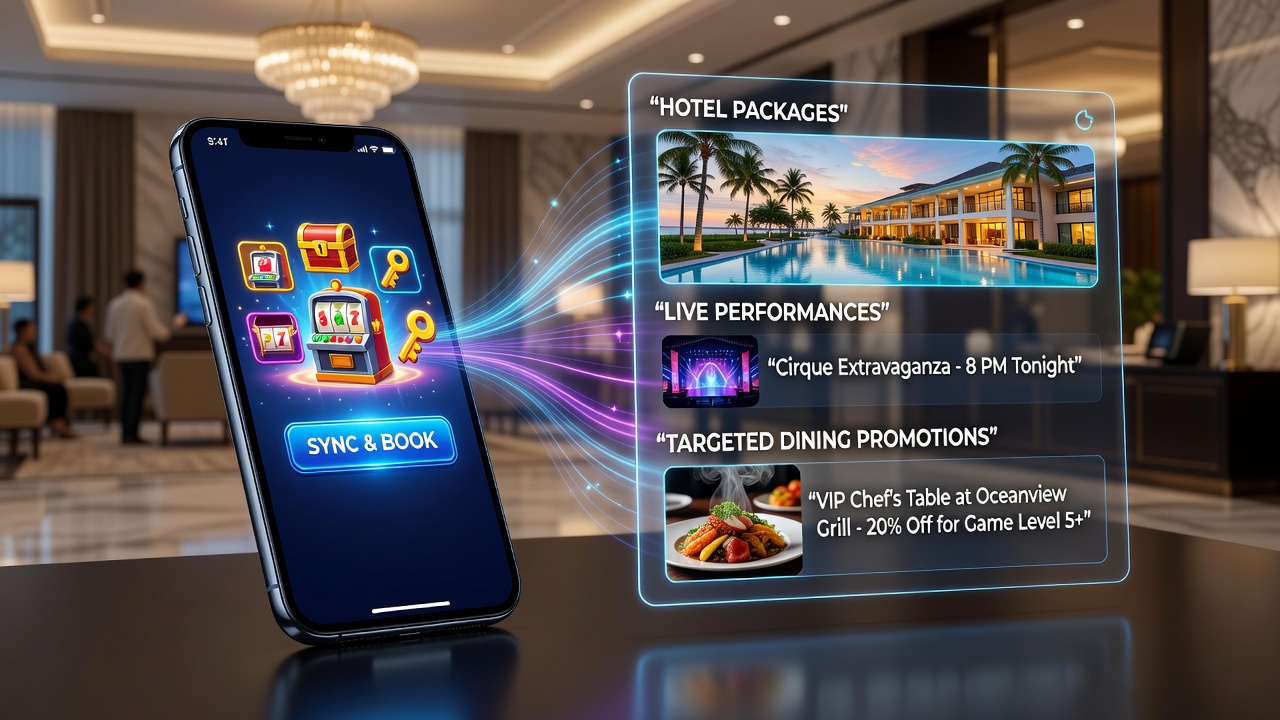
Developers have built direct connections between mobile game interfaces and resort booking platforms so players can move from virtual slots or table games straight into reservations for hotel stays, live shows, and dining offers at entertainment properties. These links rely on API connections that pull real-time inventory from property management systems while feeding player data from game sessions into loyalty profiles. Observers note the setup reduces separate logins and lets promotions appear inside the game app based on recent activity rather than generic marketing blasts.
Core Technical Connections
Systems use secure token exchanges that keep user identities consistent across game servers and booking databases, and developers add geofencing so offers surface only when a player is near a participating property or has an active reservation window. Data flows include win amounts, time spent on specific machines, and preferred game types, which trigger tailored packages such as discounted suites paired with concert tickets or priority seating at on-site restaurants. In September 2026 several major operators completed upgrades that allow same-session purchases, meaning a player finishing a bonus round can tap through to confirm a dinner slot without leaving the interface.
Examples Across Properties
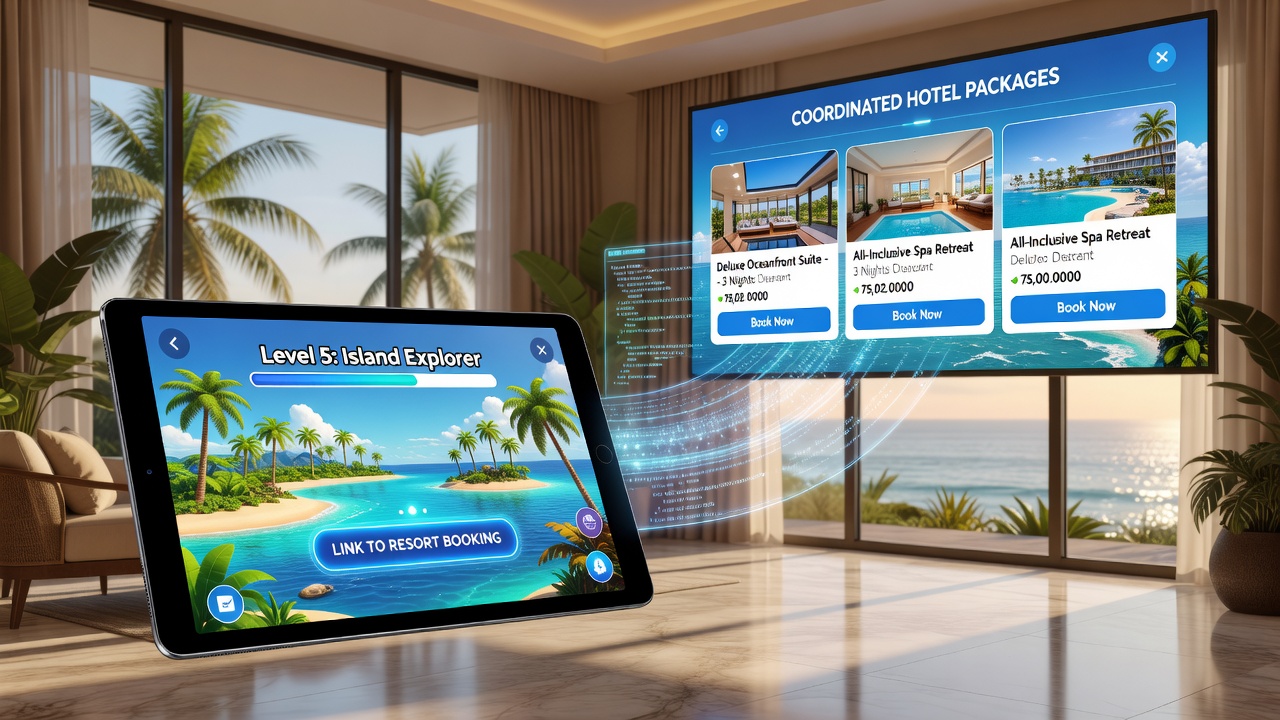
One operator in the southwestern United States integrated its mobile game hub with both hotel and theater systems so users unlocking certain in-game achievements receive instant codes for room upgrades and show tickets. Another property group in Asia linked virtual tournament results to dining promotions, letting high scorers book tables at signature restaurants through the same dashboard. Research from the American Gaming Association shows these combined pathways increased cross-category redemptions by measurable margins during the first half of 2026, with hotel package uptake rising alongside game session length.
Take one resort chain that added live performance calendars inside its game app. Players see available dates while still in a session, select seats, and apply play-based credits without switching apps. The same chain routes dining reservations through the interface so targeted offers, such as tasting menus after specific game milestones, appear automatically. Those who've studied the rollout report that the unified flow cuts booking friction and raises repeat visits because the next activity is already queued inside the familiar screen.
Player Data and Promotion Targeting
Algorithms match game behavior to available inventory so a user who spends extended time on high-volatility slots might see flash dining deals or upgraded room blocks, while table game participants receive show packages that align with performance schedules. Privacy controls let players set visibility preferences, and operators comply with regional data rules by storing preferences on encrypted servers. Figures from industry reports indicate that properties running these linked systems recorded higher average spend per visit during peak months, because the coordinated offers remove the need for separate marketing channels.
Operational Adjustments at Scale
Resort teams adjusted staffing models to handle the increase in same-day reservations that arrive through game interfaces, and revenue managers now monitor combined metrics rather than tracking gaming, lodging, and entertainment in isolation. The result is tighter coordination between departments, with dining outlets receiving advance notice of large groups coming from game-triggered promotions. External audits confirm that error rates in reservation syncing dropped after the initial integration phase, because automated reconciliation replaced manual handoffs between systems.
Conclusion
Linking mobile game interfaces to resort booking systems creates a single pathway for accessing hotel packages, live performances, and dining promotions at entertainment properties. The technical foundation rests on shared data protocols and real-time inventory checks that keep offers relevant and timely. Properties that completed these connections by September 2026 reported measurable lifts in cross-category activity, and the pattern continues to expand as more operators adopt similar architectures.