Mobile Reward Systems Connecting Digital Game Progress to Resort Privileges and Seasonal Packages
Xander Meier · Jun 30, 2026
Mobile Reward Systems Connecting Digital Game Progress to Resort Privileges and Seasonal Packages
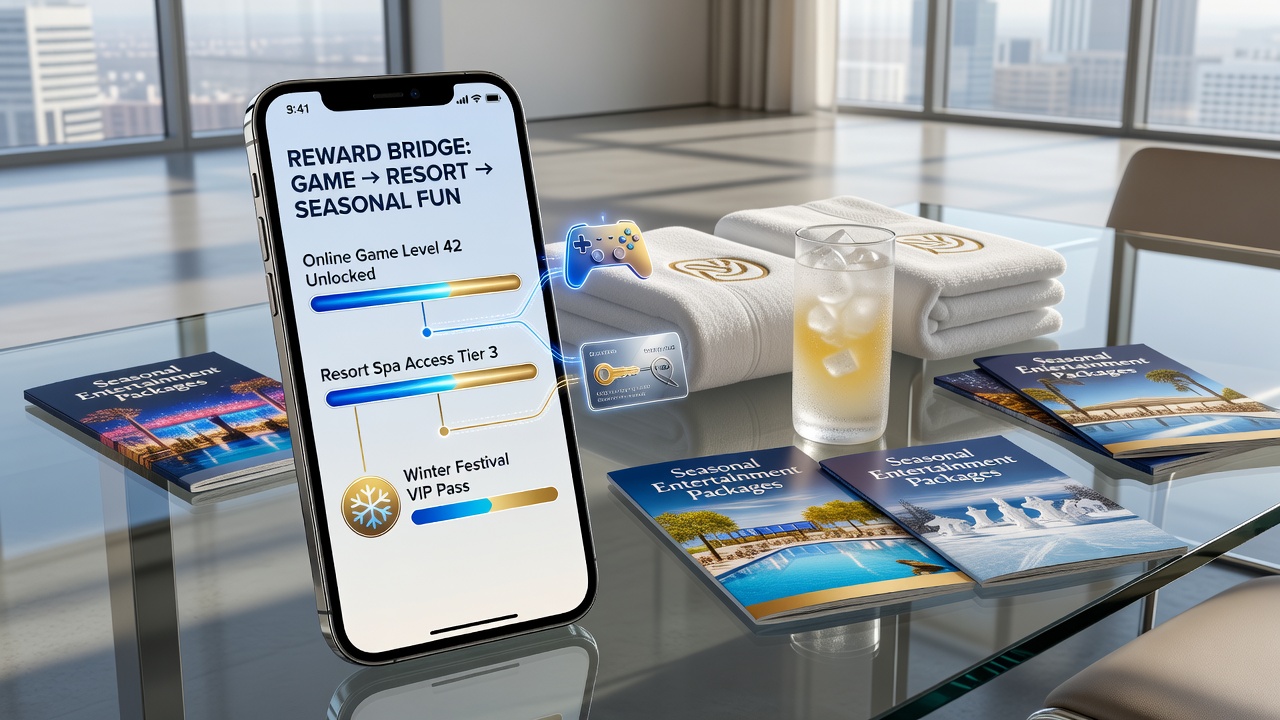
Mobile reward systems operate by tracking player activity across digital platforms adn converting accumulated points or levels into tangible benefits at physical properties. These platforms link virtual slot sessions or table game simulations directly to hotel systems, which means a user who reaches a milestone in an online game can redeem credits for spa treatments, priority dining slots, or entry to exclusive events without separate transactions. Developers design the architecture so that progression metrics such as hours played, win streaks, and loyalty multipliers feed into a centralized database that resort staff access through mobile dashboards. Integration begins when a player downloads a branded app and creates an account tied to a resort loyalty program. The app records each session in real time, then applies algorithms that assign tier status based on cumulative activity rather than cash spent alone. Once a threshold clears, the system pushes notifications offering resort credits that expire within defined windows, often aligned with peak travel periods. Observers note that this structure encourages repeat digital engagement because each virtual achievement carries forward value that materializes only when the player visits the property. Resort amenity privileges expand as tiers advance. Lower levels typically unlock standard room upgrades and basic dining vouchers, whereas higher tiers grant access to private lounges, complimentary golf rounds, and behind-the-scenes tours of entertainment venues. Seasonal entertainment packages layer additional incentives on top of these privileges, bundling concert tickets with themed dining experiences that change quarterly. In June 2026 several properties rolled out summer packages that combined virtual fishing game achievements with poolside cabana access and live music passes, demonstrating how the same mobile infrastructure supports both year-round amenities and time-limited events. Data from the Nevada Gaming Control Board shows steady growth in cross-platform redemptions during the first half of 2026, with mobile-linked redemptions accounting for an increasing share of amenity usage at integrated resorts. The same reports indicate that properties using unified reward engines recorded higher average visit frequency among app users compared with those relying on traditional card-based systems. These patterns hold across multiple jurisdictions because the underlying technology standardizes point conversion regardless of local regulations. Further along the engagement chain, seasonal packages incorporate dynamic pricing that adjusts based on virtual progress. A player who logs consistent hours in a mobile version of a signature slot game might receive early access to limited-capacity holiday shows or discounted tickets to cultural festivals hosted on the resort grounds. Operators achieve this by syncing the mobile database with ticketing platforms, which allows automated fulfillment once the player checks in at the property. Research from the Australian Gambling Research Centre indicates that such linkages reduce friction in the redemption process and increase overall participation rates in entertainment offerings. 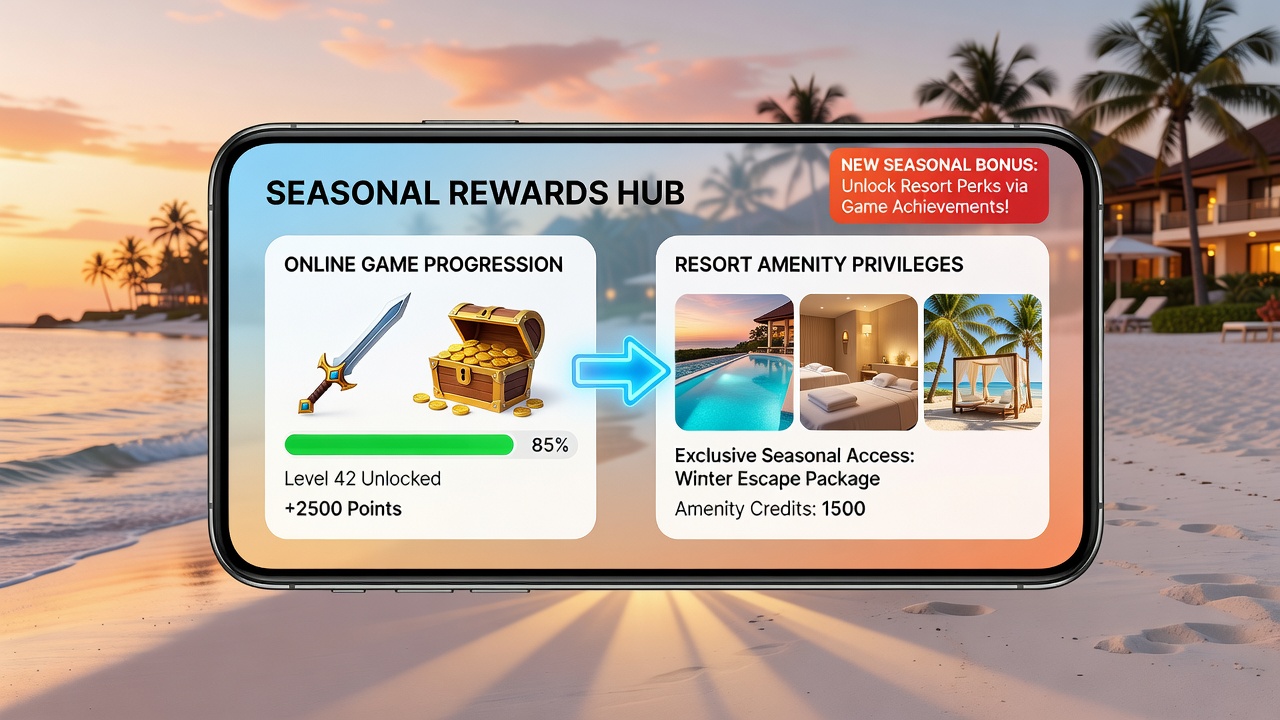 Implementation challenges arise when legacy property management systems must interface with newer mobile platforms. Properties that completed these integrations report fewer manual overrides and faster resolution of redemption disputes. Staff training focuses on reading unified dashboards that display both virtual progress and available physical benefits, which streamlines guest interactions at check-in desks and concierge stations. Industry organizations such as the Canadian Gaming Association have published guidelines that emphasize data security protocols during these transfers, ensuring player information remains protected across digital and physical touchpoints. Case examples illustrate the breadth of applications. One Midwest riverboat casino synchronized its mobile fishing tournament game with summer concert packages, allowing top virtual anglers to claim reserved seating at outdoor amphitheater events. A desert resort in the Southwest connected virtual poker progressions to seasonal wellness retreats, where players redeemed points for yoga sessions and chef-led cooking classes offered only during shoulder seasons. These examples share a common architecture in which the mobile app serves as the single point of entry for both game mechanics and benefit selection. Payment and compliance layers sit beneath the reward mechanics. When a player redeems virtual currency for a physical experience, the system records the transaction in compliance with regional gaming statutes. Regulatory bodies in multiple jurisdictions require audit trails that link each digital action to its physical outcome, which mobile platforms satisfy through timestamped logs and encrypted identifiers. This documentation supports both internal accounting and external reviews without interrupting the player experience. Expansion of these systems continues as resorts add new entertainment verticals. Properties now explore partnerships with regional music circuits and culinary festivals, routing mobile rewards toward tickets that would otherwise require separate purchases. The infrastructure already in place allows operators to test limited-time offers that appear only to players who meet specific virtual criteria, creating targeted campaigns that align digital behavior with seasonal demand patterns.