Specialized Gaming Tournaments Connect Virtual Competition to Live Resort Events
Blake Hartmann · Jun 2, 2026
Specialized Gaming Tournaments Connect Virtual Competition to Live Resort Events
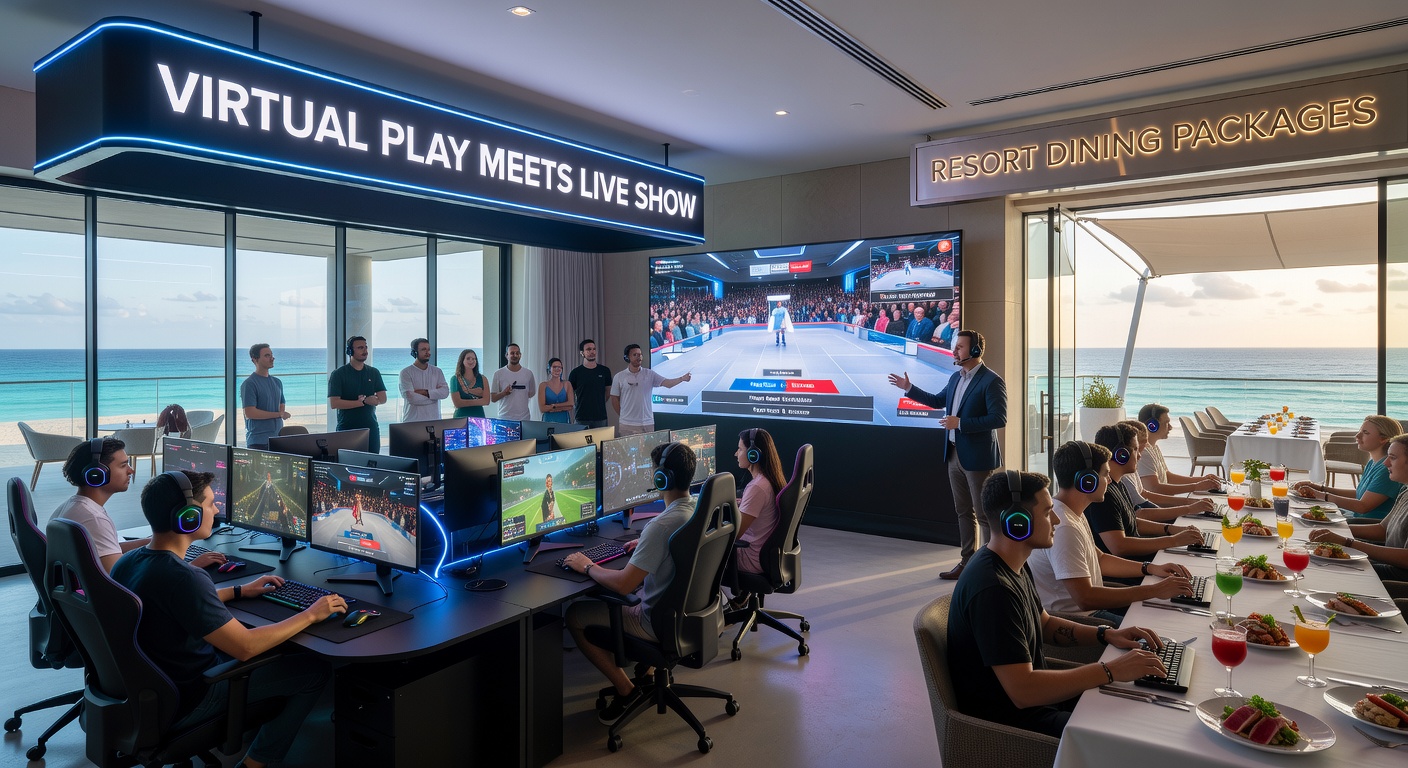
Specialized gaming tournaments have expanded beyond screens alone, as organizers now coordinate virtual qualifiers that feed directly into on-site finals at casino resorts, where participants also receive access to live shows and curated dining packages. These events combine digital brackets with physical venues, allowing players who advance through online rounds to travel for live stages that feature entertainment productions and meal experiences tied to the tournament schedule. Data from industry reports indicate that such hybrid formats grew in participation during early 2026, with multiple properties scheduling multi-day programs that link competition brackets to evening performances and group dining sessions.
Virtual Qualifiers Feed Into Resort Finals
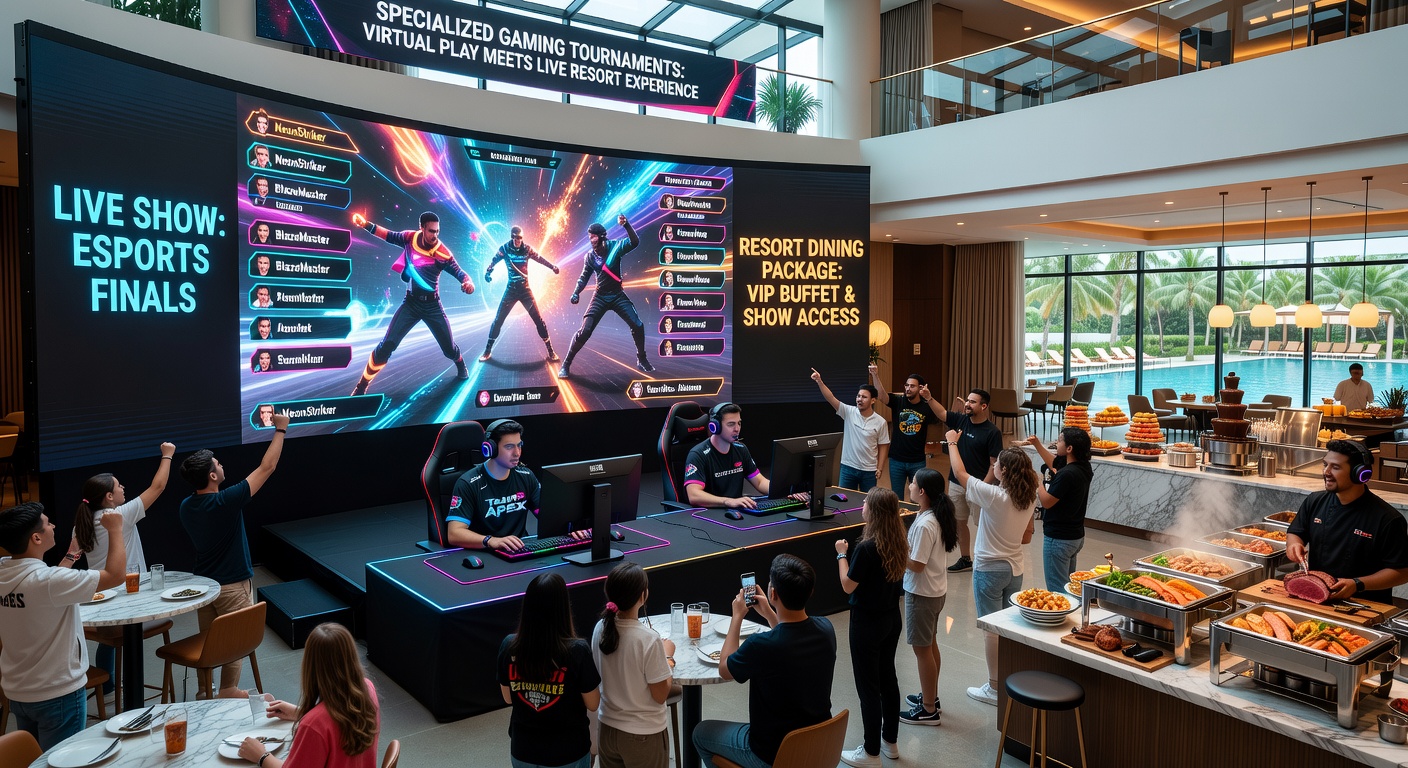
Players register through dedicated platforms that host preliminary matches, after which top finishers receive invitations to on-site events at participating resorts. This structure reduces travel costs for initial rounds while concentrating final competitions at locations equipped for large audiences and broadcast setups. Resorts handle logistics that include hotel blocks, practice areas, and integration with existing entertainment calendars, so that tournament days align with scheduled live shows. Observers note that June 2026 events at several properties followed this pattern, with virtual leaderboards determining who advanced to stages that opened with performances before matches began.
Integration With Live Shows and Dining Packages
Event packages bundle tournament entry with tickets to resort productions and access to designated dining venues, where menus often incorporate themed elements that reference game titles or competing teams. These arrangements allow attendees to move between competition areas, performance spaces, and restaurants without separate bookings. Resorts coordinate timing so that match breaks coincide with show segments or meal seatings, creating continuous itineraries for participants and spectators. Industry figures reveal that such bundled offerings appeared at properties across multiple regions during 2026, reflecting efforts to extend visitor dwell time beyond gaming floors alone.
Regional Examples and Scheduling Patterns
Properties in North America and Asia have adopted similar models, scheduling events that pair virtual esports or simulation titles with on-site hospitality. One program in June 2026 featured daily matches followed by evening concerts and multi-course dinners prepared for players and guests, with transportation between venues included in registration. Another series used virtual qualifiers open to international participants, then hosted finals at a single resort that provided show access and dining credits as standard inclusions. According to reports from the American Gaming Association, these combined formats contributed to increased midweek occupancy at select destinations during the first half of the year.
Operational Coordination and Technology Use
Resorts rely on integrated reservation systems that connect tournament software to show ticketing platforms and restaurant management tools, so that player advancement automatically updates access privileges. Broadcast teams capture both virtual and live segments for streaming, while on-site staff manage transitions between activities. This coordination requires advance planning between gaming organizers, entertainment departments, and culinary teams to maintain consistent pacing across the event duration. Research from university studies on event logistics shows that such linked systems improve throughput for larger participant groups compared with standalone competitions.
Attendance and Revenue Data
Participation metrics for these specialized tournaments have risen alongside broader interest in hybrid entertainment formats. Properties report that attendees who purchase full packages spend additional time at resort facilities outside competition hours, which supports revenue across multiple departments. Figures from the Singapore Tourism Board indicate that similar integrated events in 2025 and early 2026 attracted visitors from outside traditional gaming demographics, including those drawn by the performance and dining components. Resorts track these patterns through loyalty program data that records activity across tournament, show, and restaurant touchpoints.
Conclusion
Specialized gaming tournaments that link virtual play with on-site live shows and resort dining packages represent an established operational model at multiple properties. The format relies on coordinated scheduling, integrated technology, and bundled offerings that extend participant engagement across competition, entertainment, and hospitality elements. Data from regulatory and industry sources continue to document attendance and revenue contributions from these events, particularly during peak scheduling periods such as June 2026. Properties maintain these programs through partnerships that align digital platforms with physical venue capabilities.