Synchronizing Virtual Betting Mechanics with Physical Resort Amenities Through Integrated Promotional Frameworks
Noah Bauer · Aug 18, 2026
Synchronizing Virtual Betting Mechanics with Physical Resort Amenities Through Integrated Promotional Frameworks
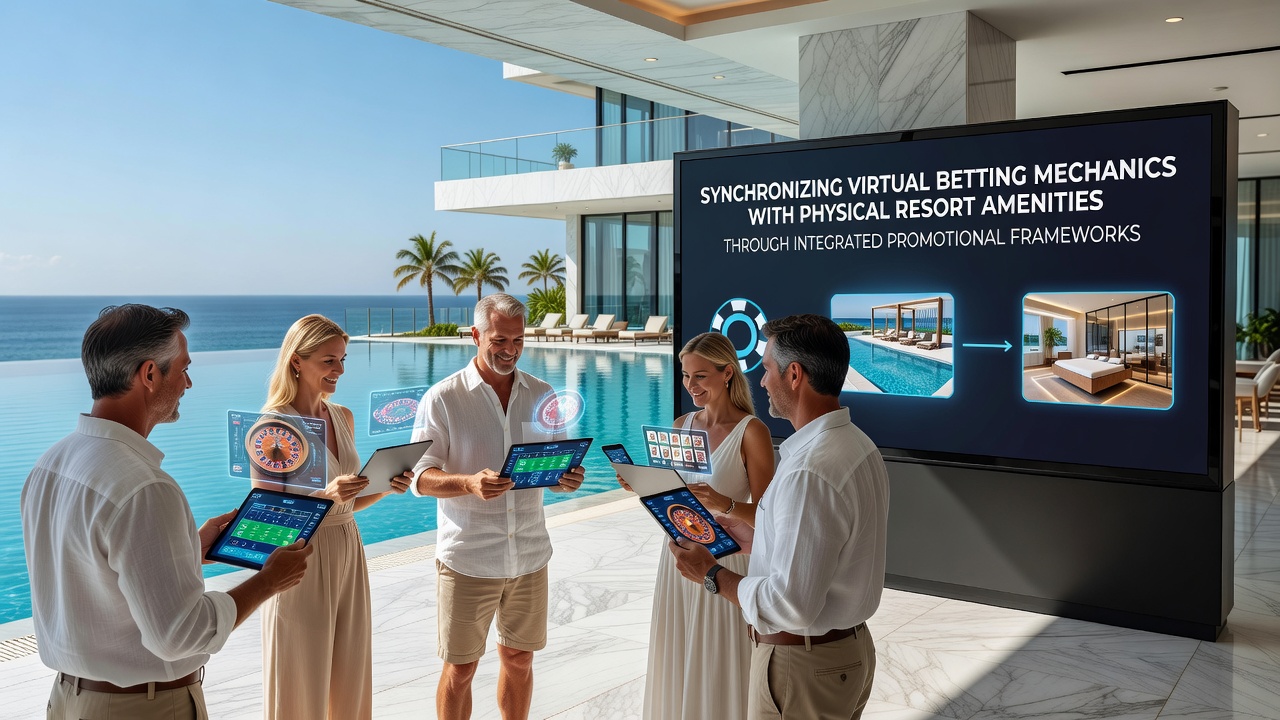
Integrated resort operators have expanded systems that connect virtual betting platforms directly to physical property amenities, creating promotional frameworks where digital gameplay generates credits for hotel rooms, restaurant reservations, and live entertainment access. These setups rely on centralized loyalty databases that track player activity across mobile applications and on-site terminals, allowing points earned from virtual slots or table games to convert into tangible resort benefits without separate redemption processes.
Mechanics of Virtual Betting Integration
Virtual betting mechanics operate through proprietary apps that mirror physical casino floors, complete with real-time odds and progressive jackpots, while feeding data into the same management systems used for physical floor activity. Players accumulate tier credits during app sessions, and those credits unlock tiered access at resorts, such as priority seating at shows or discounted spa services, all processed through a single account profile. Observers note that this synchronization reduces friction between digital and physical environments, since the same player tracking software handles both streams of activity and adjusts promotional offers based on combined engagement metrics.
Resorts in multiple jurisdictions have adopted these frameworks since the early 2020s, with updates continuing through 2026. Data from property management platforms show that users who engage in virtual sessions often increase their on-property visits when promotions link the two channels, because bonus structures automatically apply credits toward dining or entertainment packages upon arrival.
Promotional Frameworks in Practice
Promotional frameworks use tiered structures where virtual betting volume determines eligibility for physical amenities, such as complimentary upgrades or bundled event tickets. For instance, reaching a set threshold in app-based wagers might trigger automatic offers for show tickets or meal credits at partner restaurants within the same resort complex. These offers appear in the app interface and redeem via QR codes at physical locations, eliminating manual verification steps at front desks or box offices.
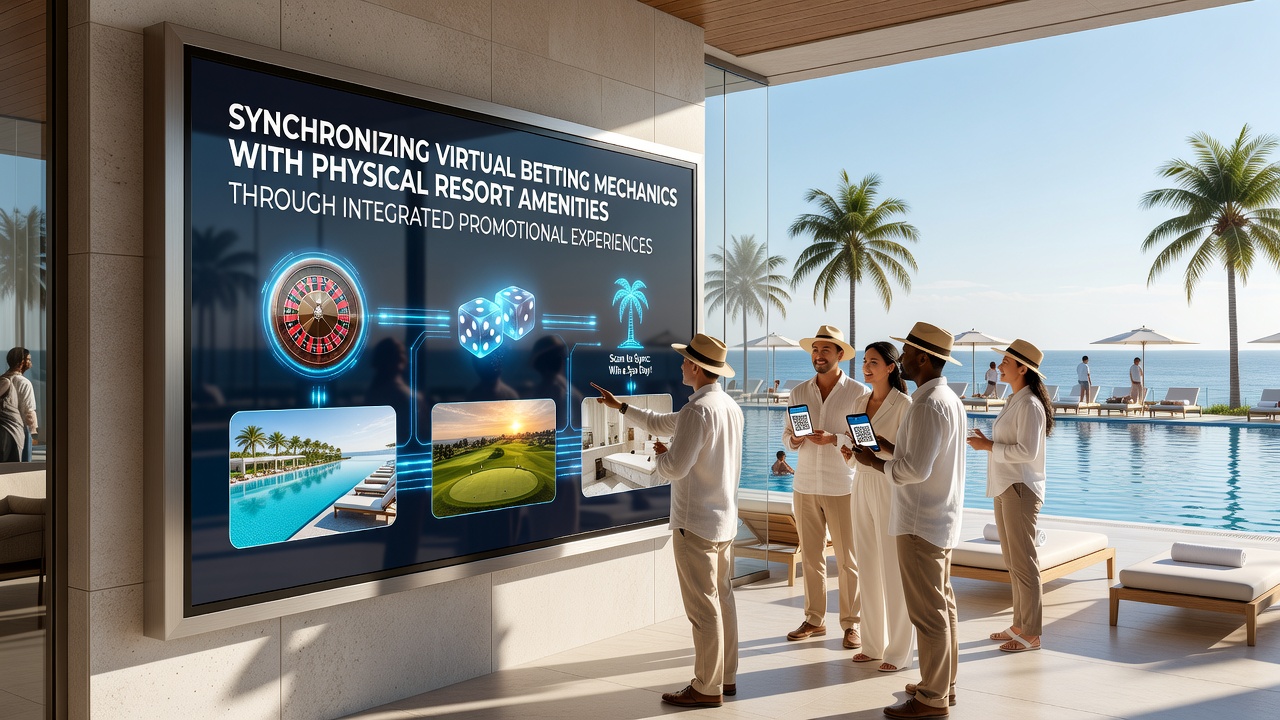
Industry reports indicate that such frameworks gained traction as resorts sought to maintain engagement during periods of fluctuating foot traffic. In August 2026, several properties introduced seasonal adjustments to their promotional calendars, aligning virtual betting bonuses with summer entertainment schedules and dining promotions to encourage longer stays. According to the American Gaming Association, these linkages have helped properties report higher cross-channel participation rates compared to earlier standalone loyalty programs.
Regional Examples and Implementation
Properties in the United States and Canada have documented different approaches to these integrated systems. One operator in the Midwest linked virtual poker tournaments on its app to live resort events, where top digital performers receive reserved tables and hotel packages. Another facility in the Southwest synchronized virtual slot play with cultural festival tie-ins, allowing points to cover entry to on-site craft markets or music circuits hosted at the property. Researchers from gaming technology firms have tracked these implementations and found that unified databases improve redemption rates because players see their virtual progress reflected immediately in physical offers.
European and Asian markets have followed similar patterns, though with variations in regulatory requirements. Operators there often incorporate additional compliance layers for cross-border data sharing between virtual platforms and physical sites. The result remains consistent across regions, as combined activity metrics drive targeted promotions that connect remote play to on-site amenities like specialized dining events or curated nightlife access.
Technical and Operational Considerations
Technical infrastructure supporting these frameworks includes API connections between gaming servers and property management systems, ensuring that virtual bets update player profiles in real time. Security protocols encrypt transaction data while permitting seamless transfer of promotional credits, and staff training programs focus on assisting guests who redeem digital rewards at physical touchpoints. Those who have studied these systems report that maintenance involves regular audits to verify that virtual activity accurately translates into amenity access without discrepancies in point valuation.
Operators continue refining these frameworks as new virtual game formats emerge, incorporating feedback from usage patterns to adjust bonus multipliers or eligibility windows. The approach has expanded beyond traditional casino floors to include partnerships with regional entertainment venues, where virtual play can unlock tickets or packages that extend the resort experience into surrounding areas.
Conclusion
Integrated promotional frameworks that synchronize virtual betting with physical resort amenities continue to evolve through shared data systems and targeted offers. Properties maintain these connections by aligning digital activity thresholds with on-site services, resulting in measurable shifts in how players move between channels. As implementations advance, the focus remains on operational consistency across locations and accurate tracking of combined engagement to support ongoing promotional delivery.