Themed Live Performances Reshaping Casino Hotel Stays Through Culinary Pairings and Seasonal Visitor Shifts
Frankie Keller · May 16, 2026
Themed Live Performances Reshaping Casino Hotel Stays Through Culinary Pairings and Seasonal Visitor Shifts
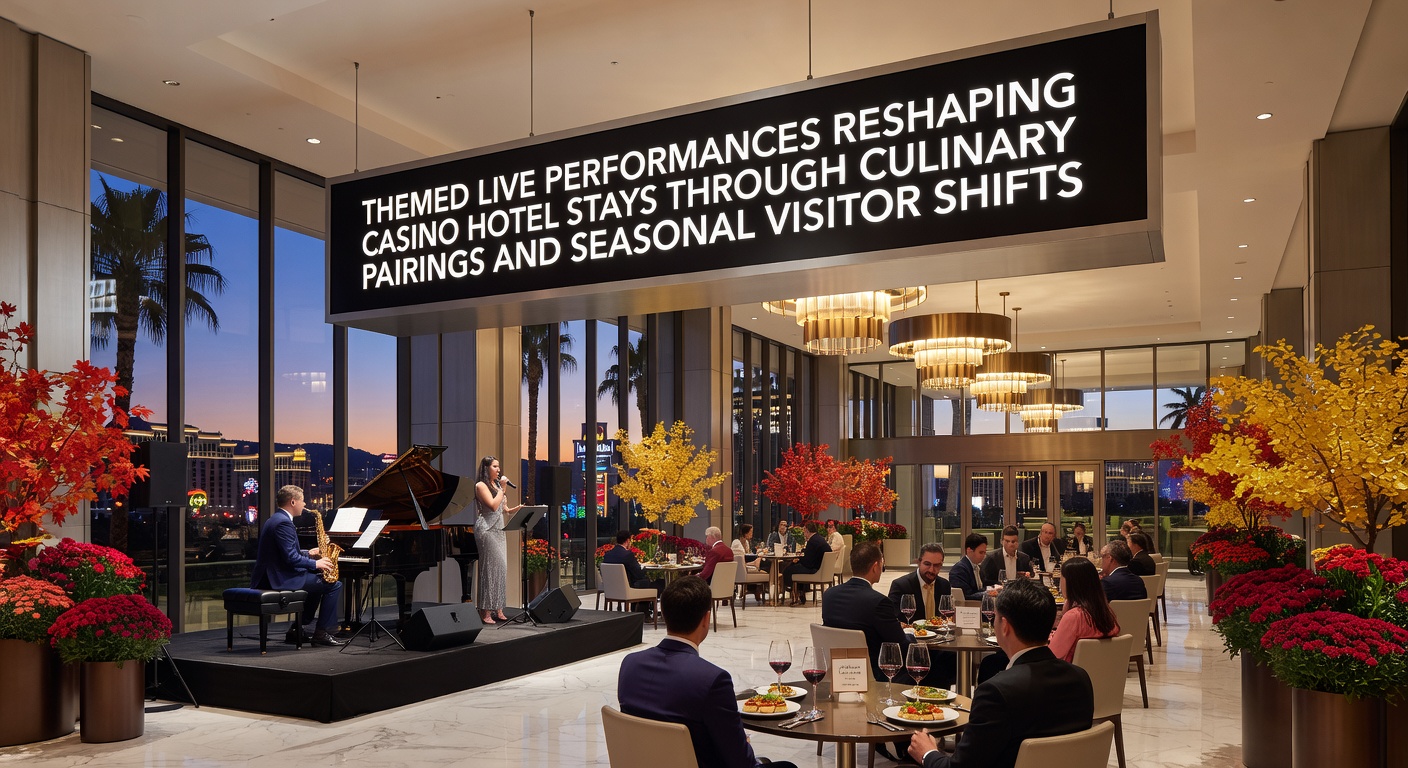
Casino hotels continue to blend live performances with themed culinary experiences as a way to draw visitors during shifting seasonal patterns, and data from industry reports shows this approach gaining traction across multiple markets as of May 2026.
Operators integrate music, theater, and interactive shows directly with menu pairings that reflect the performance themes, which creates extended stays and encourages repeat bookings when visitor flows change with holidays or weather cycles. Research from the University of Nevada, Las Vegas Center for Gaming Research indicates that properties offering these combined packages report higher occupancy rates during shoulder seasons compared to venues focused solely on gaming floors.
Performance Themes Driving Culinary Integration
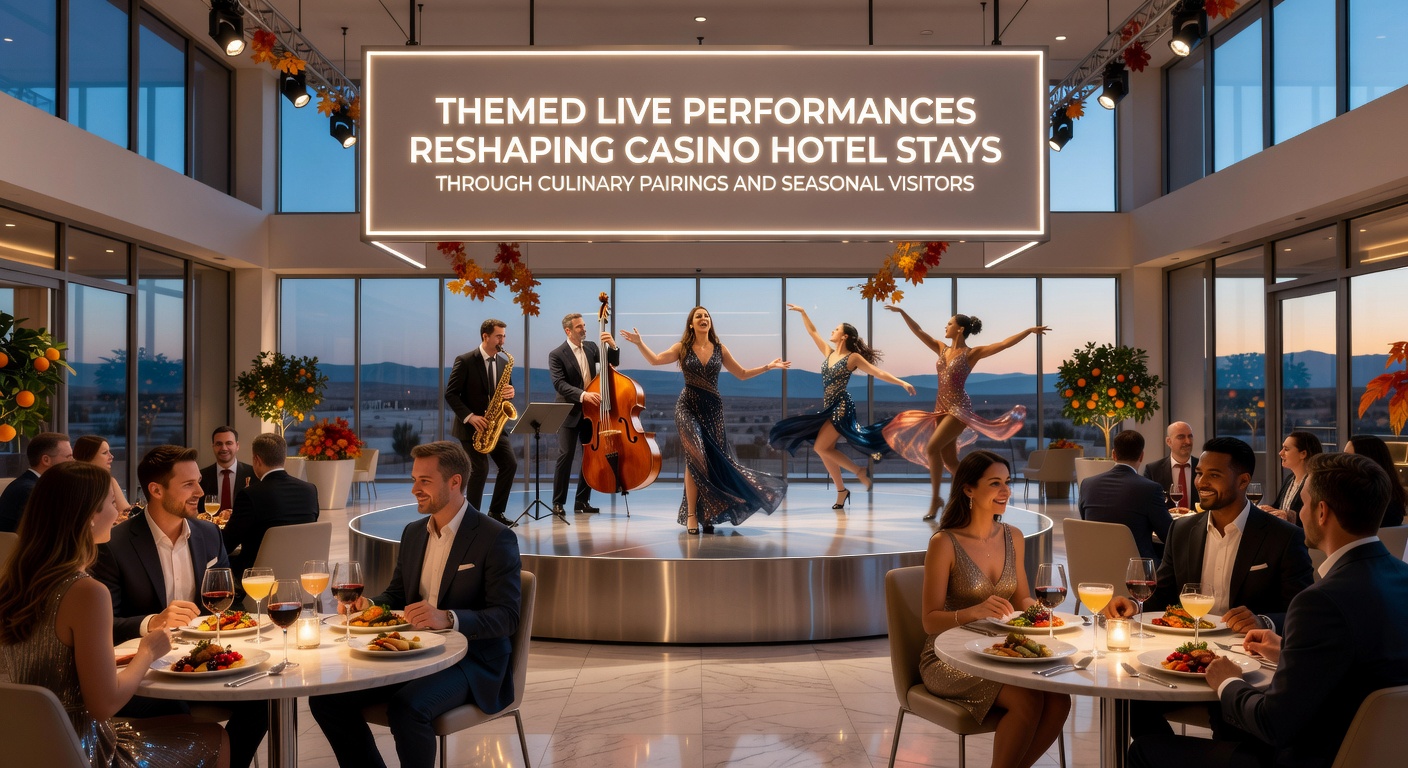
Live acts often center on specific motifs such as retro Hollywood nights or international festivals, and chefs align tasting menus or cocktail flights to match the narrative onstage. One production featuring Latin rhythms pairs with small-plate courses that highlight regional spices, while another draws from classic rock eras and serves vintage-inspired dishes prepared tableside. According to figures from the American Gaming Association, these synchronized offerings extend average guest dwell time by 45 minutes per evening when the show incorporates dining elements directly into the seating arrangement.
Hotels adjust lighting, sound design, and server costumes to reinforce the theme without interrupting the flow between courses, which allows guests to move seamlessly from performance segments to plated service. Observers note that this method reduces the need for separate reservations and keeps revenue streams active across both entertainment and food outlets during slower midweek periods in spring months.
Seasonal Visitor Patterns and Booking Adjustments
Visitor arrivals typically spike around major holidays yet dip in late spring and early fall, prompting casino operators to launch targeted packages that combine tickets with room rates and curated meals. In May 2026, properties in several U.S. markets introduced limited-time experiences tied to Cinco de Mayo and upcoming summer music series, resulting in measurable upticks in group bookings from regional travelers who previously visited only during peak summer or winter breaks.
Seasonal data compiled by tourism boards in Nevada and New Jersey reveal that culinary-performance pairings help redistribute demand away from overcrowded weekends toward midweek slots, easing pressure on housekeeping and kitchen staff while maintaining steady cash flow. Guests who book these bundles often extend their stays by one additional night, according to internal analytics shared at recent hospitality conferences.
Operational Changes Behind the Scenes
Kitchens now coordinate with entertainment directors weeks in advance to source ingredients that align with set lists and costume palettes, which requires tighter supply chains and flexible staffing models. Performers sometimes interact with diners during intermissions, turning tables into extensions of the stage and creating photo opportunities that guests share on social platforms. These interactions generate organic promotion that reaches audiences outside traditional marketing channels.
Technology supports the coordination through shared scheduling software that flags potential overlaps between show runtimes and kitchen prep windows, reducing delays that once frustrated guests moving between venues. Properties report fewer complaints about timing when the entire experience operates under one unified reservation system.
Regional Examples and Market Data
Venues along the Las Vegas Strip have expanded their offerings to include pop-up culinary stations inside performance spaces, while East Coast properties emphasize historical themes tied to local heritage festivals. In both regions, seasonal visitor data shows that families and corporate groups respond strongly to packages that bundle shows with multi-course dinners, leading to higher per-guest spending than gaming-only visits. Industry analysts tracking these metrics note consistent growth in non-gaming revenue streams when themes rotate quarterly to match changing travel patterns.
International markets follow similar patterns, with resorts in Macau and Singapore adapting performances to lunar calendar events and pairing them with regional tasting menus that appeal to both domestic and overseas travelers during shoulder periods.
Conclusion
Casino hotels continue refining these integrated experiences as seasonal visitor data evolves, and operators who align live performances with culinary details see measurable impacts on occupancy and spending patterns. The approach keeps properties competitive by turning standard stays into coordinated events that guests plan around, especially when spring and fall shifts create opportunities for targeted promotions. As May 2026 trends indicate, this blending of entertainment and dining remains a practical strategy for managing fluctuating demand across global gaming destinations.