Tracing Digital Interfaces That Seamlessly Connect Slot Mechanics to Exclusive Hotel Dining Reservations and Concert Ticketing Systems
Noah Bauer · May 26, 2026
Tracing Digital Interfaces That Seamlessly Connect Slot Mechanics to Exclusive Hotel Dining Reservations and Concert Ticketing Systems
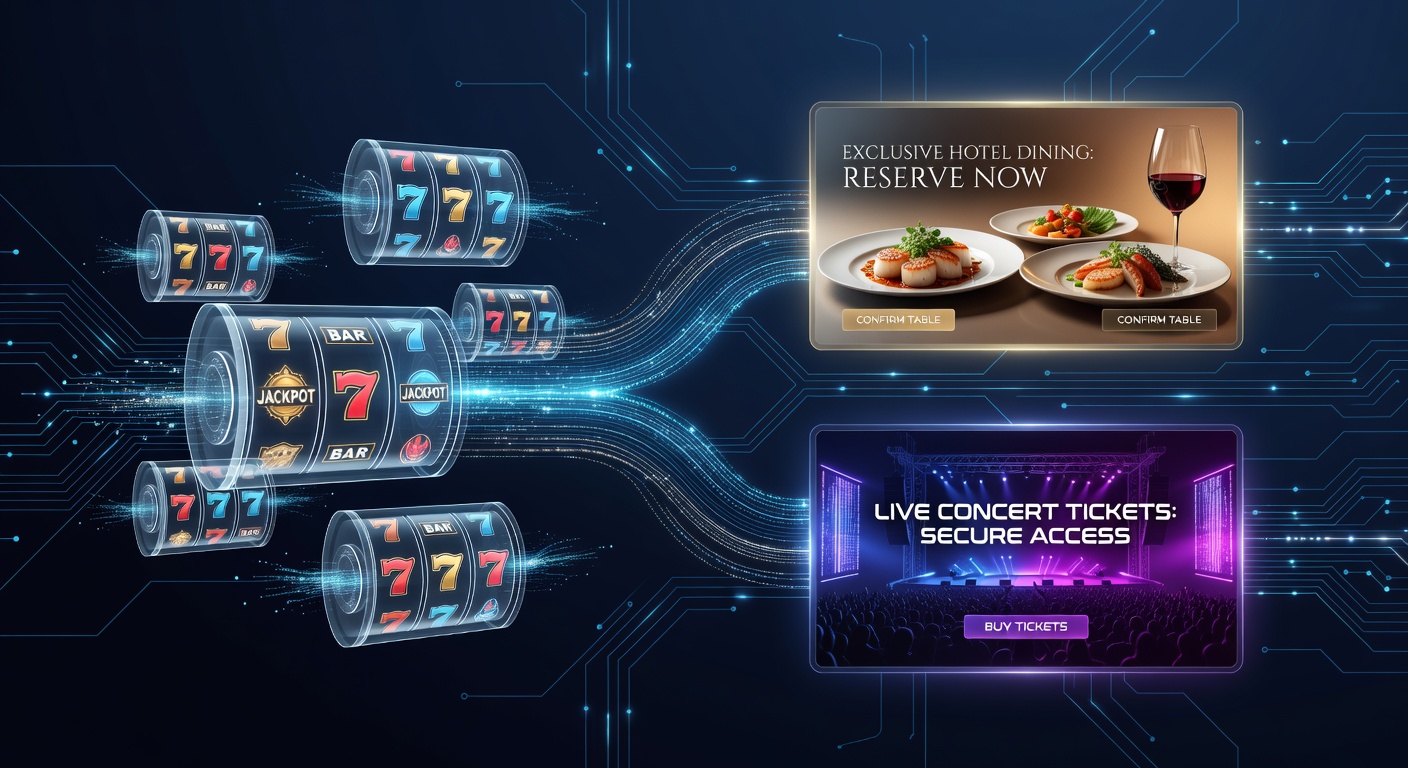
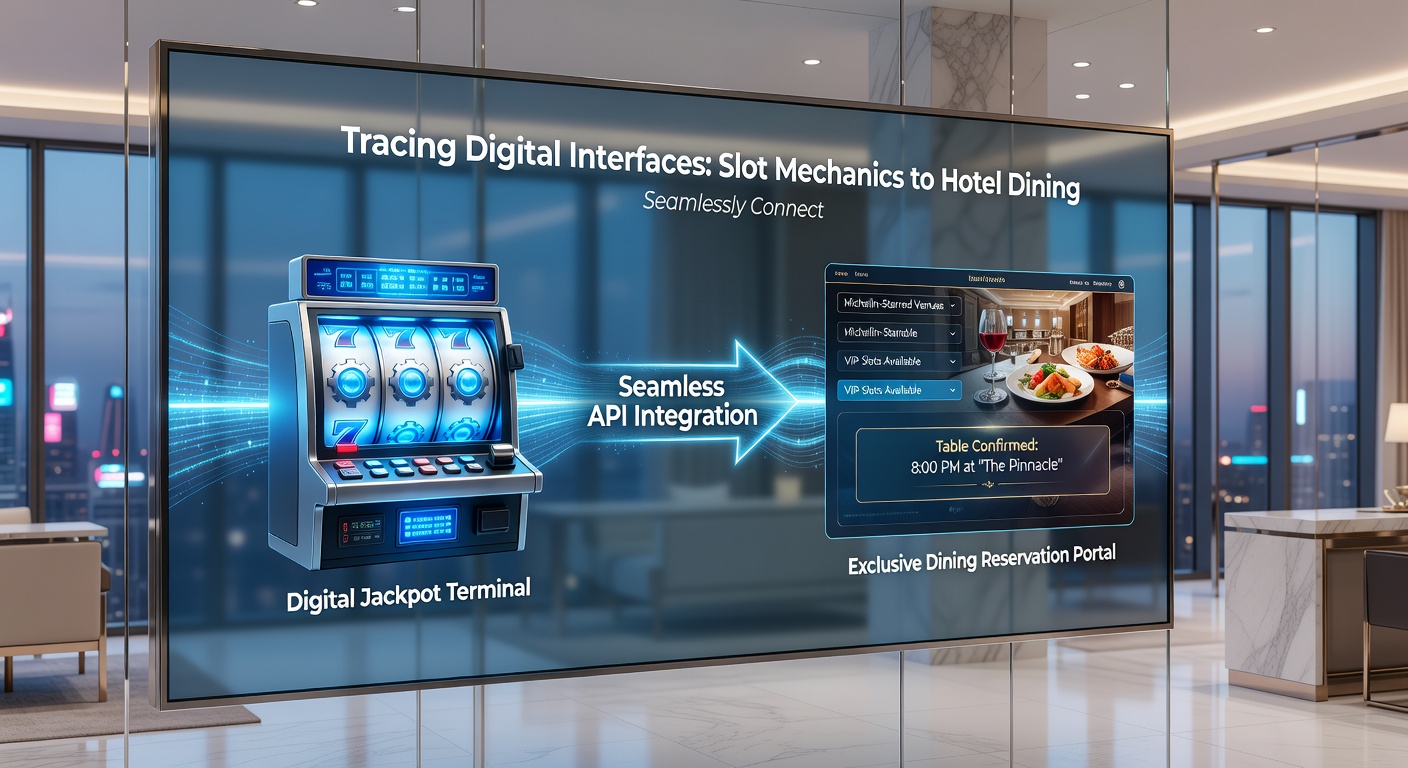
Digital interfaces in modern casino resorts now link slot machine activity directly to reservation platforms for dining and live events, creating unified systems that process player data across multiple services. These connections rely on application programming interfaces that pull real-time metrics from gaming floors and feed them into hotel management software as well as ticketing databases.
Slot mechanics generate data points such as wager amounts, session duration, and bonus triggers, and integrated platforms route this information to centralized loyalty engines. The engines then calculate eligibility for priority seating at restaurants or early access to concert inventories without requiring separate logins or manual transfers.
Core Components of the Integrated Systems
Player tracking modules embedded in slot cabinets communicate with property-wide networks through secure protocols, and these modules update guest profiles continuously during play sessions. Backend servers match accumulated points or tier status against available inventory in dining and entertainment modules, triggering automated offers that appear on mobile apps or kiosk screens.
Reservation engines for hotel restaurants pull availability calendars that sync with gaming data streams, while concert ticketing modules draw from the same guest records to allocate seats based on play volume thresholds. This architecture reduces friction for users who move between gaming areas and other amenities within the same property group.
Technical Pathways and Data Flow
API gateways handle authentication across platforms, ensuring that slot session tokens convert into verified access credentials for dining bookings and event entries. Data encryption standards protect transaction histories as they travel between gaming operators and third-party reservation providers, and audit logs record each handoff for compliance purposes.
Cloud-based middleware layers translate slot-specific outputs such as coin-in totals into standardized guest value scores, and these scores determine access levels in both restaurant reservation queues and concert presale windows. Updates occur in batches every few minutes during peak hours, maintaining accuracy across connected services.
Implementation Examples Across Properties
One major operator in the southwestern United States deployed an interface that routes slot rewards directly into a shared calendar system for signature restaurants and arena events, and the rollout occurred ahead of the 2026 summer season. Property staff report that the unified dashboard allows guests to confirm dining slots and concert entries immediately after completing qualifying play sessions on designated machines.
Another installation in the Midwest integrated legacy slot accounting software with newer hospitality platforms, creating a bridge that converts machine-level events into reservation confirmations without manual intervention. Observers note that similar connections now appear in facilities where multiple revenue streams share a single guest database.
Regulatory and Security Considerations
State gaming authorities require detailed reporting on how player data crosses from gaming devices into non-gaming reservation systems, and operators must maintain separation between funds used for play and those applied to dining or ticketing purchases. Compliance teams audit these flows regularly to verify that promotional redemptions align with approved marketing plans.
Security frameworks include tokenization of loyalty identifiers so that slot terminals never store full reservation details, while external ticketing vendors receive only the minimum data needed to fulfill booked seats. As of May 2026, several jurisdictions have updated their technical standards to address these multi-service connections explicitly.
Future Developments in Interface Design
Developers continue to refine predictive algorithms that anticipate guest preferences by analyzing slot behavior patterns, then pre-populate dining and concert options before users initiate searches. Voice-activated kiosks and wearable devices represent additional endpoints that feed into the same reservation pipelines already tied to gaming floors.
Industry reports from the American Gaming Association indicate rising adoption rates for these cross-service interfaces among large-scale properties, while data compiled by the Nevada Gaming Control Board shows corresponding increases in tracked guest interactions across dining and entertainment categories. A separate study from the University of Nevada, Las Vegas documented measurable shifts in how guests navigate property amenities when such linkages are active.
Conclusion
Digital interfaces that trace slot mechanics through to dining reservations and concert ticketing now form a standard layer in many casino operations, supported by established data protocols and regulatory oversight. These systems continue to evolve through incremental updates that maintain compatibility across gaming and hospitality platforms while meeting compliance requirements in active jurisdictions.