Tracing Reward Pathways That Convert Digital Game Milestones into Access Passes for Live Performances and Onsite Dining Reservations
Blake Hartmann · Jul 30, 2026
Tracing Reward Pathways That Convert Digital Game Milestones into Access Passes for Live Performances and Onsite Dining Reservations
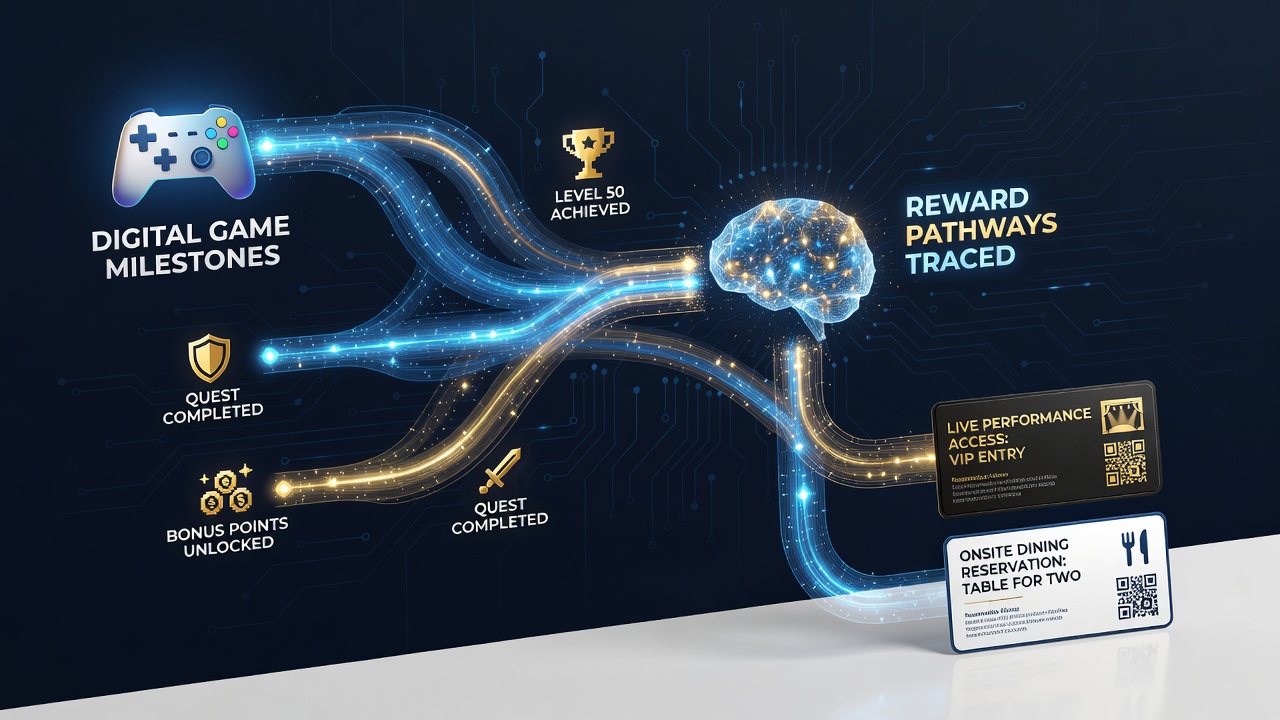
Digital game milestones in casino applications now feed directly into systems that issue access passes for live performances and onsite dining reservations, and observers note that these pathways rely on integrated tracking platforms that record player activity across slots, table games, and virtual challenges before converting accumulated points or achievements into redeemable credentials. Research from industry groups shows that many properties link mobile apps to backend reservation engines, which allows a player who reaches a specific win streak or loyalty level to receive a digital ticket or table booking without separate checkout processes.
Mapping Digital Milestones to Reward Triggers
Systems begin with data collection at the game interface where metrics such as total wagers, bonus round completions, or consecutive session logins accumulate under player profiles, and these values feed algorithms that flag eligibility once thresholds are crossed. One property in the Midwest deployed an app module that tracks virtual slot tournaments and automatically pushes qualifying participants toward priority entry for evening stage shows, while similar setups in Asian integrated resorts convert high-volume play data into timed dining credits at signature restaurants. The process uses API connections between gaming management software and hospitality platforms so that a completed milestone triggers an instant notification containing a scannable code or calendar invite.
Technical Integration Across Platforms
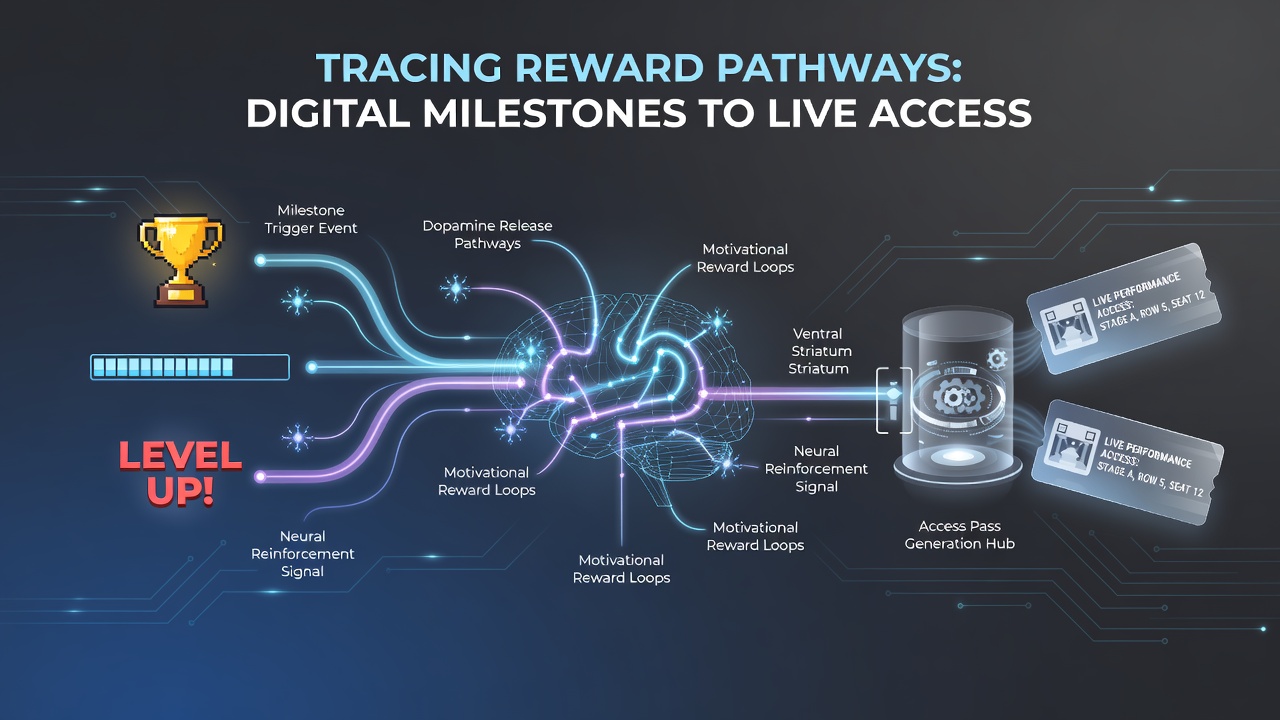
Developers build these pathways through middleware layers that pull real-time data from slot machines, electronic tables, and mobile interfaces, then route the information to central customer relationship management databases that manage inventory for shows and dining slots. In July 2026, figures released by the American Gaming Association indicated that over 60 percent of major U.S. properties had deployed or upgraded such middleware within the prior 18 months, enabling faster conversion of digital achievements into physical access. Security protocols encrypt the resulting passes and tie them to verified player accounts to prevent unauthorized transfers, while audit logs record each step from milestone completion to redemption at the venue entrance or host stand.
Examples from Operational Properties
Take the case of a Singapore resort that partnered with local developers to embed milestone tracking inside its mobile loyalty program, where players completing weekly challenges receive automatic reservations at rooftop dining venues and reserved seating for arena concerts held on the property. Another implementation at a Canadian casino group routes achievement data from electronic bingo terminals into a separate queue that reserves tables at the attached steakhouse during peak hours. Observers note that these examples share a common architecture: the gaming system flags the milestone, the rewards engine validates availability, and the guest receives a confirmation that syncs with both personal calendars and venue access controls.
Regulatory and Data Considerations
Regulatory bodies in multiple jurisdictions require clear disclosure of how player data moves between gaming and hospitality modules, and reports from the Australian Gambling Research Centre highlight that transparent consent screens must accompany any cross-system data sharing. Properties that maintain separate databases for gaming activity and reservation systems reduce compliance risk by using tokenized identifiers rather than direct personal information during the conversion step. Data indicates that when players opt into these pathways, redemption rates for earned performance passes and dining slots rise compared with traditional printed coupon methods, because the digital format removes friction at the point of entry.
Future Expansion Patterns
Industry analysts track growing adoption of wearable devices that display earned passes directly on the wrist, allowing guests to move from a gaming floor session to a reserved showroom seat or chef's counter without stopping at a kiosk. Partnerships between gaming software vendors and reservation platforms continue to standardize the data fields used for milestone verification, which in turn shortens the time between achievement and access. Those who have studied these systems note that the pathways remain most effective when the original game milestones align closely with the type of reward offered, such as linking high-roller tournament progress to premium concert packages rather than unrelated dining options.
Conclusion
The pathways that convert digital game milestones into access passes for live performances and onsite dining reservations now operate through connected software layers that record activity, validate thresholds, and issue credentials in a single automated flow. Properties that implement these systems report measurable increases in guest engagement across both gaming and non-gaming amenities, while regulatory frameworks continue to shape the data handling practices that support them. Continued refinement of the underlying APIs and consent mechanisms will determine how widely these reward conversions expand in the coming years.