Virtual to Venue: How Web-Based Casino Games Feed into Real-World Entertainment Schedules and Hotel Stays
Frankie Keller · Jun 20, 2026
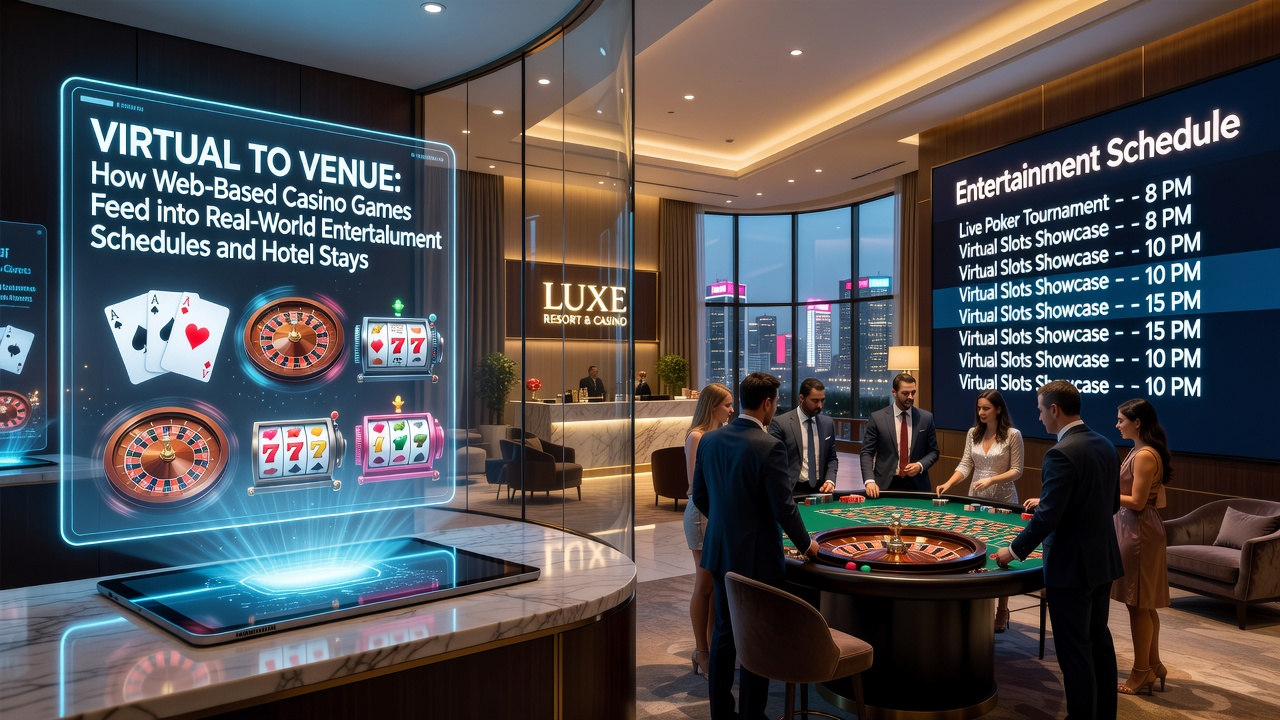
Virtual to Venue: How Web-Based Casino Games Feed into Real-World Entertainment Schedules and Hotel Stays
Web-based casino platforms now route players directly into resort calendars and room inventories through linked accounts that track activity across digital and physical environments, and data from multiple jurisdictions shows this pathway has expanded since 2024. Operators maintain unified player profiles that convert virtual session metrics into eligibility for live shows, dining reservations, and overnight packages at partner properties, while regulatory filings in several states document the growth of these cross-channel programs.
Account Linkage and Reward Pathways
Players who register on web platforms receive digital wallets that accumulate points convertible at land-based venues, and systems in place at major operators automatically sync online gameplay with on-site check-in procedures. When thresholds are met, users receive notifications offering priority access to entertainment lineups or discounted hotel blocks, and industry reports indicate these mechanics increased foot traffic at integrated resorts during the first half of 2026. Observers note that the process relies on secure API connections between online operators and property management systems, allowing real-time updates to availability calendars.
Entertainment Scheduling Integration
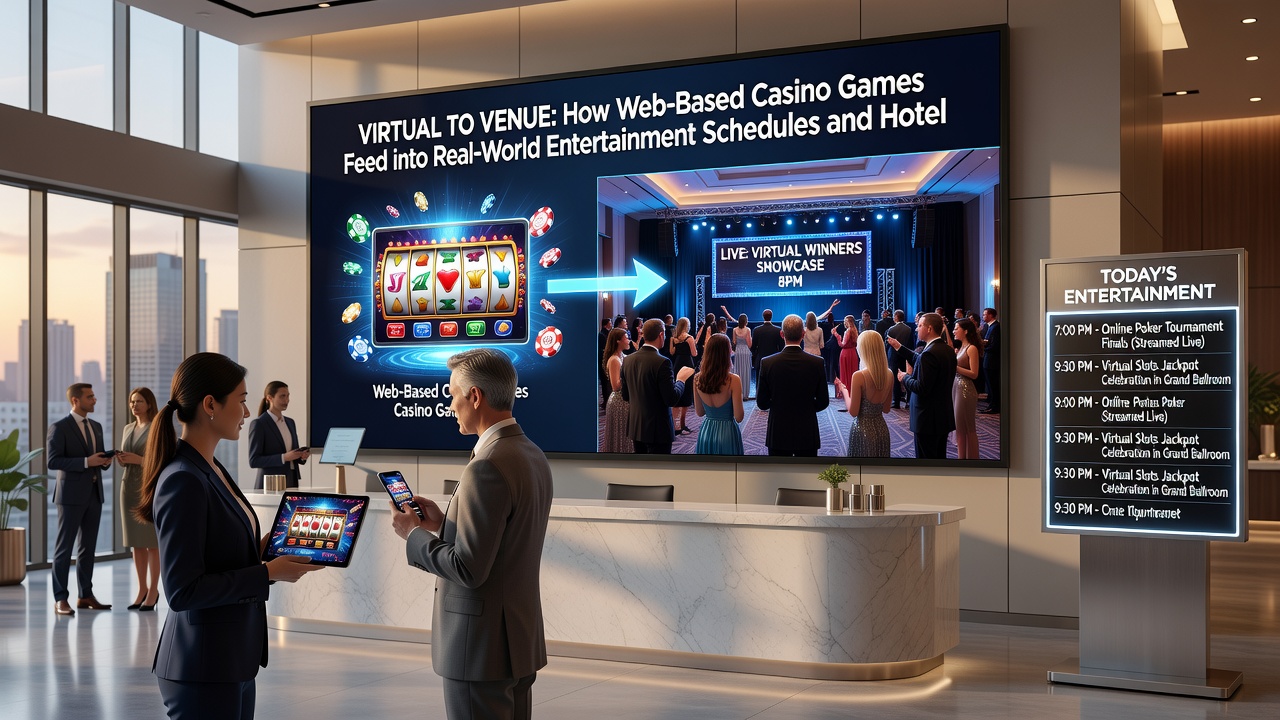
Virtual gameplay frequently unlocks timed entry to concerts, comedy sets, and sporting events hosted at casino complexes, with booking engines pulling from the same inventory used for hotel guests. In June 2026 several properties released summer performance rosters that included dedicated slots for online account holders, and figures from the Nevada Resort Association reveal that such targeted allocations accounted for measurable portions of ticket sales. The linkage works because operators feed online data into central reservation platforms, which then adjust seating charts and promotional bundles accordingly.
Hotel Stay Coordination
Compensated rooms and upgraded accommodations often stem from combined online and offline play volumes, and hotel front desks now query unified databases before confirming reservations. Guests who began their journey on web-based slots or table games can apply accumulated credits toward multi-night stays, and records from properties in multiple regions show these redemptions clustered around peak entertainment weekends. Systems track arrival patterns so that digital milestones trigger automatic room holds, reducing last-minute availability gaps for high-value accounts.
Regional Examples and Data Trends
Canadian provincial regulators have documented similar patterns, and information released by iGaming Ontario indicates that players migrating from online titles to Ontario casino resorts frequently book stays tied to live music series. Meanwhile, data compiled by the Australian Communications and Media Authority tracks comparable crossovers in New South Wales venues where virtual rewards feed into hotel packages around major events. These examples illustrate how operators adapt the same core technology across different regulatory frameworks while maintaining compliance with local reporting requirements.
June 2026 schedules at several U.S. properties featured extended runs of headline acts that coincided with online promotion periods, and preliminary tallies suggest elevated occupancy rates during those windows. The coordination extends to ancillary services such as spa access and transportation, all managed through the single player profile that originates on the web platform.
Technical Infrastructure Behind the Flow
Backend systems employ geofencing and timestamp verification to confirm when online accounts transition to physical visits, and these checks prevent duplicate rewards while preserving audit trails required by gaming commissions. Developers continue to refine mobile applications that mirror desktop interfaces, ensuring seamless movement from virtual sessions to on-site kiosks for entertainment and lodging claims. The infrastructure supports multi-property chains, allowing points earned on one site to apply at another within the same network.
Conclusion
The connection between web-based casino games and real-world schedules continues to evolve through integrated data systems that align player activity with available entertainment and lodging options. Reports from industry associations and regulatory bodies across North America and Australia demonstrate consistent growth in these linkages, with June 2026 marking another period of expanded coordination at participating venues. Operators maintain these pathways under established compliance standards, resulting in traceable movement from digital engagement to on-site participation.