Web Navigation Patterns That Route Casino Players Straight Into Resort Show Tickets and Dining Perks
Blake Hartmann · Aug 6, 2026
Web Navigation Patterns That Route Casino Players Straight Into Resort Show Tickets and Dining Perks
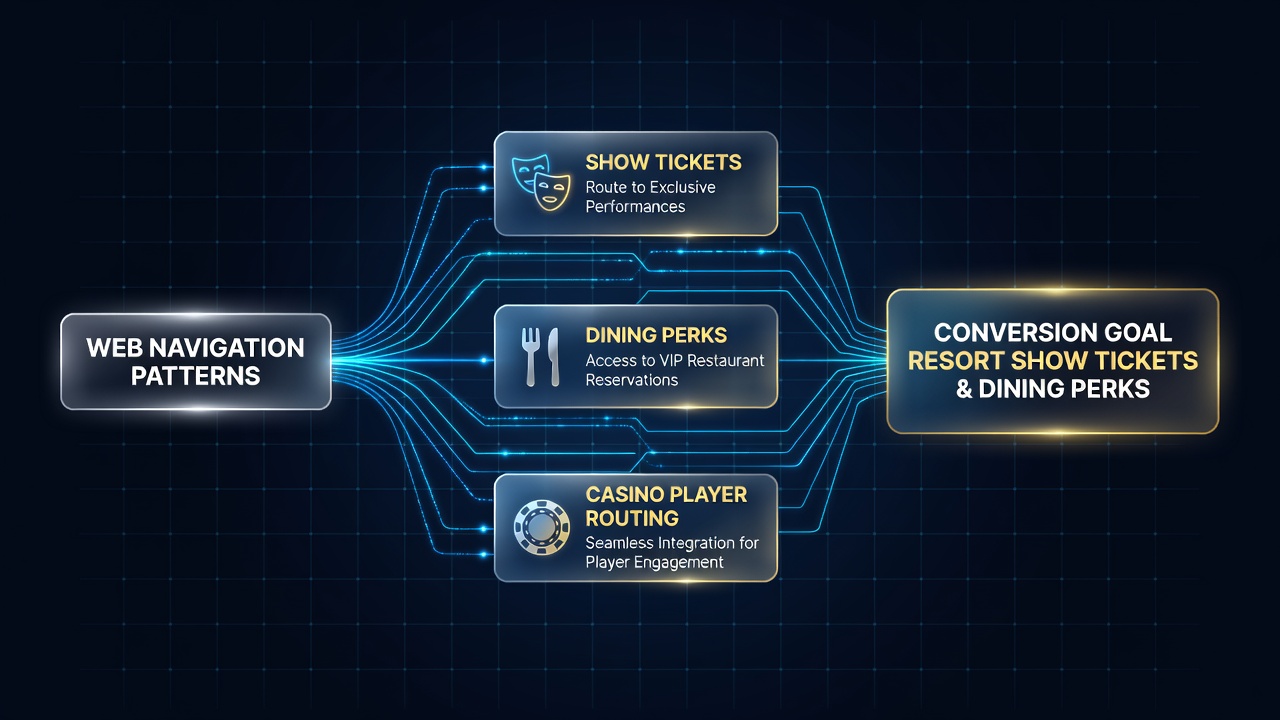
Online casino platforms have developed specific navigation sequences that move users from game interfaces directly into integrated booking modules for live performances and restaurant reservations, and these patterns rely on data-driven menu structures along with embedded call-to-action buttons that appear during gameplay sessions. Developers place these elements within loyalty program dashboards so that players encounter options for discounted show tickets or priority dining slots right after completing a series of spins or hands, which streamlines the transition without requiring separate browser tabs or external searches.
Interface Designs Driving Cross-Promotions
Site architects build layered menus that expand from central gaming hubs into side panels displaying real-time availability for evening entertainment and chef-driven meals, while algorithms track user dwell time on specific titles to trigger personalized offers that align with past dining preferences or performance genres. In practice this means a player finishing a progressive jackpot round might see a pop-up linking straight to a theater seating chart, and the same system simultaneously suggests table reservations at nearby outlets based on location data from the resort's property management software.
August 2026 reports from multiple integrated resorts documented increased uptake of these bundled pathways, with navigation logs revealing that users who followed in-game prompts completed ticket purchases at rates notably higher than those navigating through standalone promotional pages. Observers note that color-coded icons and progress bars keep the flow consistent across desktop and mobile versions, reducing friction when switching between virtual reels and live event calendars.
Backend Integration and User Flow Analytics
Backend systems connect slot mechanics and table game outcomes to centralized reservation databases through API calls that update availability in real time, so a player earning loyalty points during a session can redeem them immediately for show access or meal credits without leaving the platform. Research conducted by the University of Nevada's gaming analytics group shows that such connected pathways shorten the average decision cycle from initial click to confirmed booking, and similar patterns appear in properties operating under oversight from the Nevada Gaming Control Board.
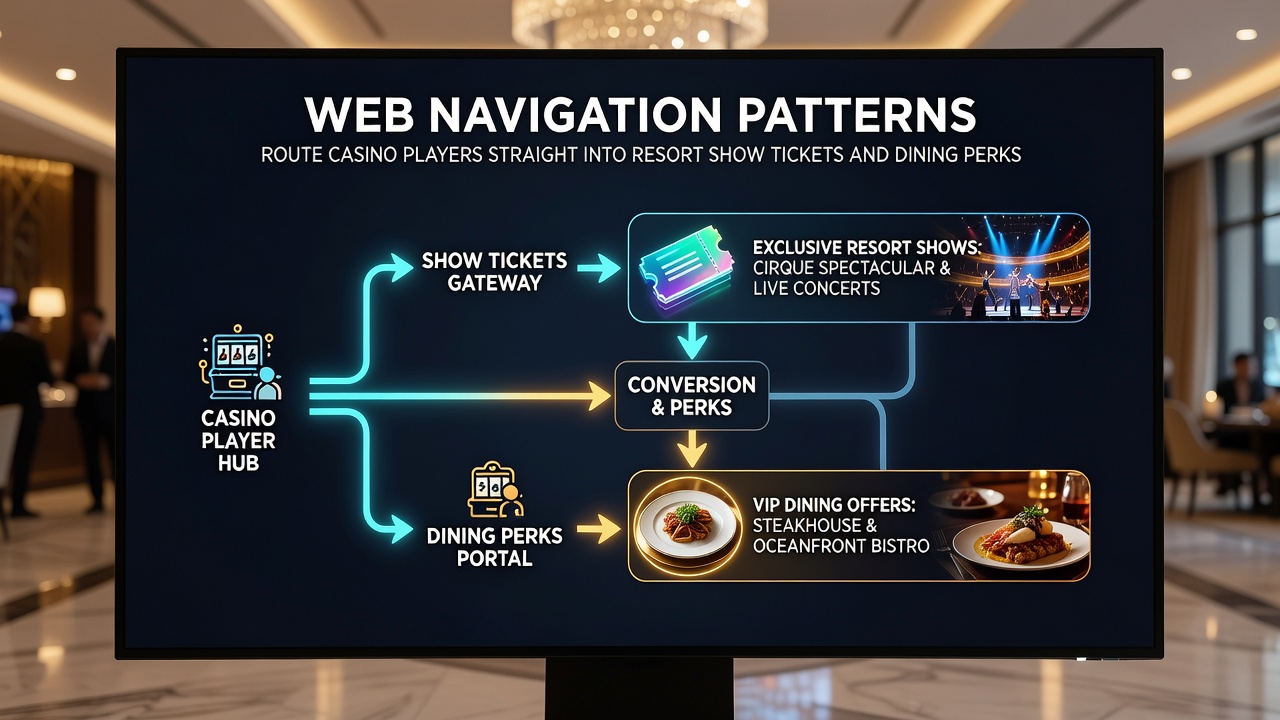
Analytics teams monitor clickstream data to refine button placement, ensuring that dining perk promotions surface during lower-intensity moments in gameplay while ticket options appear after high-engagement wins. This sequencing draws from heat-mapping studies that identify optimal screen zones for conversion, and industry organizations such as the American Gaming Association have compiled aggregate figures indicating steady growth in these cross-category bookings over teh past three years.
Regional Variations in Navigation Strategies
Properties in different jurisdictions adapt these patterns to local regulations, with some emphasizing mobile-first designs that push notifications for limited-time dining upgrades while others embed ticket bundles directly into progressive jackpot interfaces. Data collected across multiple sites demonstrates that players who engage with combined navigation paths tend to extend their overall resort visits, and government reports from Australia's Queensland Office of Liquor and Gaming Regulation track comparable trends in digital engagement metrics for integrated entertainment offerings.
Take one property that introduced a unified loyalty portal last year: users logging in after a gaming session encountered a single dashboard listing both upcoming concerts and chef's table experiences, and follow-up metrics showed a measurable rise in redemptions tied to those specific entry points. Such examples illustrate how sequential menu design influences behavior across varied regulatory environments without altering core gameplay mechanics.
Conclusion
Navigation patterns that link casino gameplay to resort show tickets and dining perks continue to evolve through iterative testing and integration with loyalty frameworks, and ongoing data collection from regulatory bodies and academic sources supports their role in shaping player movement across digital and physical offerings. These systems maintain separation between gaming and non-gaming modules while providing clear pathways that respect jurisdictional requirements and user preferences.