Website Navigation Strategies in the Gambling Industry: Merging Game Selection with Live Show Bookings
Frankie Keller · Jun 27, 2026
Website Navigation Strategies in the Gambling Industry: Merging Game Selection with Live Show Bookings
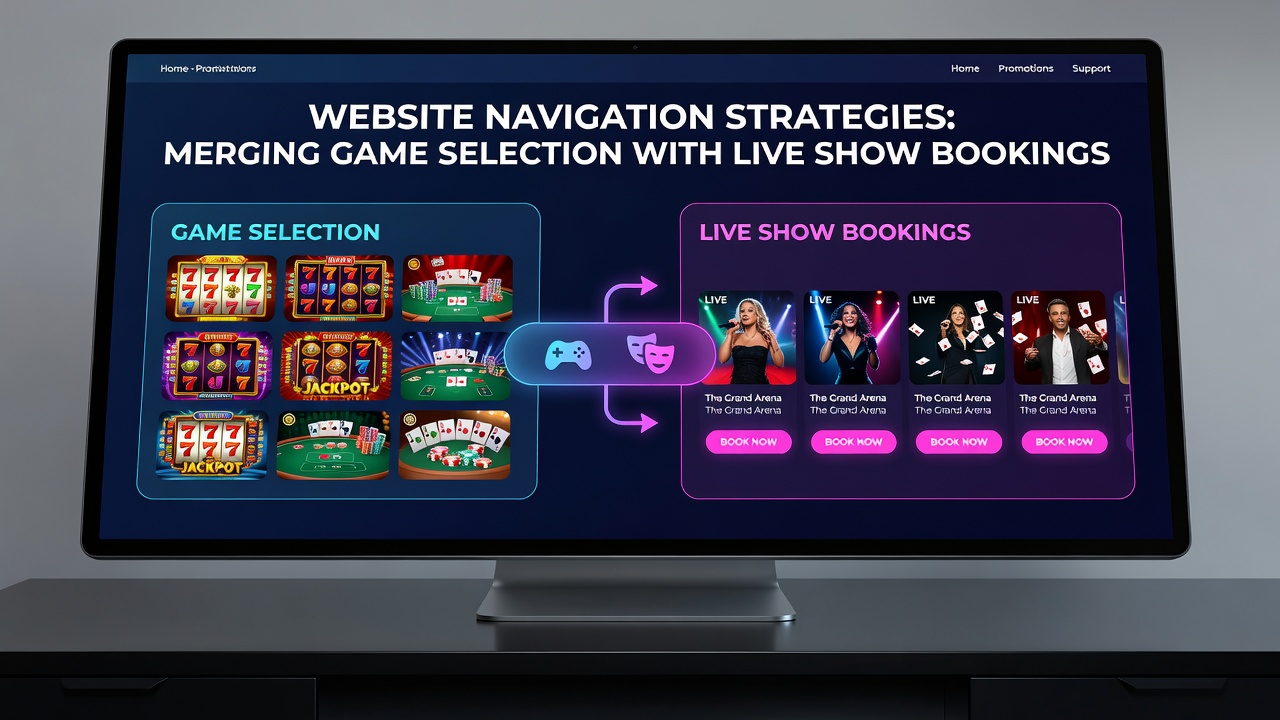
Operators across the gambling sector have refined website architectures that place game libraries and live entertainment reservations within the same user flows. These designs reduce the number of clicks required to move from slot selections to concert tickets and create unified pathways that keep visitors engaged longer. Data compiled by the American Gaming Association shows integrated platforms often record higher session durations compared with sites that maintain separate gaming and events sections.
Core Elements of Unified Navigation Systems
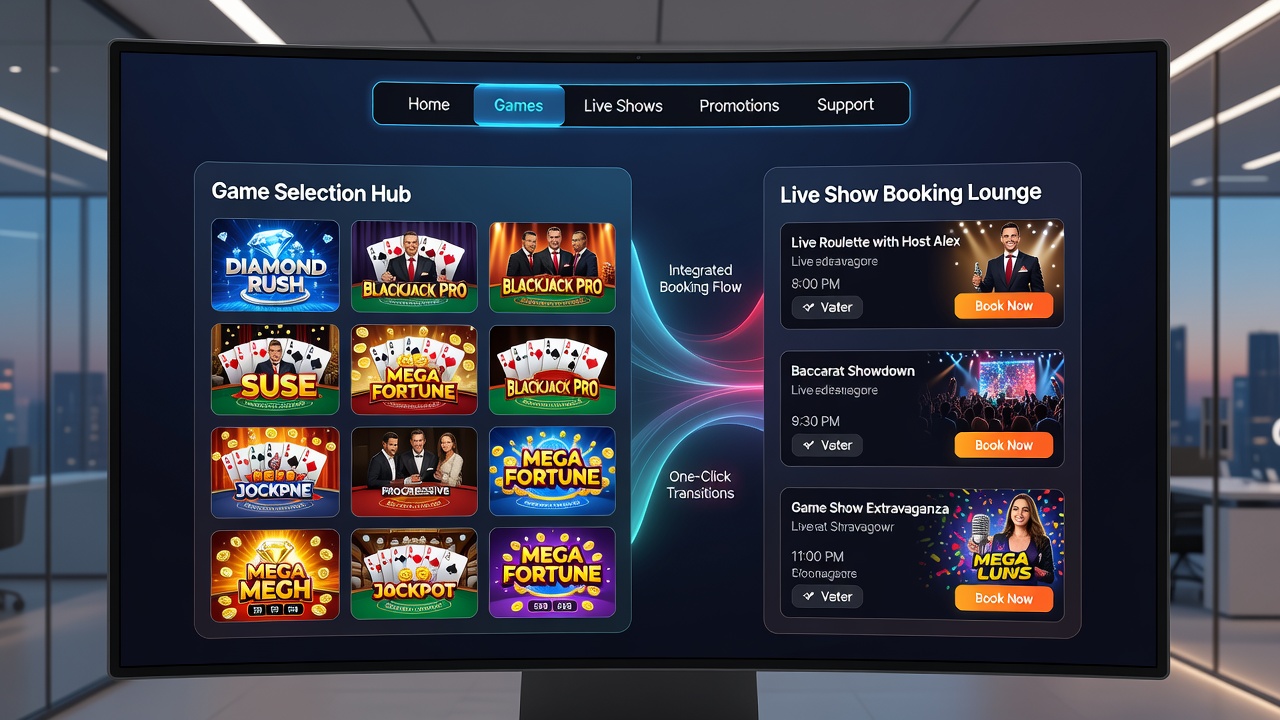
Modern casino sites employ persistent navigation bars that feature tabs for games, shows, and dining without forcing users to reload entire pages. Dropdown menus expand to reveal real-time availability for performances while adjacent panels display recommended slots based on previous selections. Researchers at the University of Nevada Reno documented that such side-by-side layouts increase cross-category exploration by roughly 28 percent among returning visitors.
Search functions now accept combined queries such as “blackjack tables near headline acts this weekend,” returning both gaming results and booking links in a single results page. Filters allow simultaneous sorting by game type, show genre, and time slot, while breadcrumb trails record the path taken so users can backtrack without losing context. These features appear consistently on properties operating in multiple jurisdictions, including those regulated by the Nevada Gaming Control Board and the Malta Gaming Authority.
Backend Integration Driving Front-End Experiences
Behind the visible interface, application programming interfaces connect slot and table game engines directly to ticketing databases. When a user adds a performance to their cart, the system simultaneously checks table availability and applies loyalty points earned from recent spins. This linkage reduces abandoned bookings because rewards earned in one area automatically apply to the other.
Analytics platforms track movement between game lobbies and event calendars, identifying drop-off points where visitors abandon either activity. Adjustments to button placement and color contrast occur after these reviews, with operators reporting measurable lifts in completed transactions following each iteration. One case study from a multi-property operator in Atlantic City revealed that repositioning the “Book Now” prompt within the game selection grid raised show reservations by 19 percent over a six-month period ending in June 2026.
Regional Variations in Implementation
European operators subject to directives from the Malta Gaming Authority tend to emphasize mobile-first designs that collapse game and show options into swipeable carousels. Australian platforms regulated under state gaming commissions incorporate geo-fenced promotions that surface local performances only to users within defined postal codes. North American sites, particularly those licensed by the Pennsylvania Gaming Control Board, integrate hotel room packages alongside gaming and entertainment selections, creating three-way bundles that appear after initial game choices are made.
Cross-promotional banners rotate based on time of day, pushing evening comedy shows during peak slot hours and morning gaming tournaments during periods when ticket sales for matinee performances typically slow. These timed placements rely on historical traffic data rather than assumptions about visitor preferences.
Accessibility and Compliance Considerations
Navigation menus incorporate keyboard shortcuts and screen-reader labels to meet accessibility standards required by multiple regulatory bodies. Color choices for buttons and links maintain sufficient contrast ratios, while text sizing controls remain available throughout the booking flow. Compliance teams review these elements quarterly to ensure continued alignment with updated accessibility guidelines issued by regional authorities.
Age verification processes occur once at account creation yet remain active across both gaming and entertainment sections. Users who have already confirmed eligibility encounter no additional prompts when moving from game selection to show reservations, streamlining the experience while preserving regulatory safeguards.
Future Developments in Navigation Architecture
Developers continue testing voice-command interfaces that allow spoken requests such as “show me poker games followed by tonight’s headline act.” Early pilots indicate these features reduce navigation time for users who prefer hands-free interaction while playing on tablets. Machine-learning models refine suggestion engines by analyzing sequences of game play and ticket purchases across large user cohorts, though operators keep these algorithms under periodic audit to maintain transparency with regulators.
Industry observers note that successful platforms treat navigation as a continuous optimization project rather than a one-time build. Regular A/B testing of menu structures and filter combinations produces incremental gains that accumulate over successive quarters.
Conclusion
Website navigation strategies that merge game selection with live show bookings now represent standard practice among leading gambling operators. The technical connections between gaming engines and ticketing systems, combined with thoughtful menu design and regional regulatory compliance, create pathways that support extended user sessions and cross-category engagement. Ongoing refinements driven by traffic analytics and accessibility requirements keep these interfaces aligned with evolving visitor expectations and oversight frameworks.